6 hr
Bonaventure Cemetery & Wormsloe Historic Site Day Tour
- Expert local guide
- Small group
- Skip-the-line access
- Free cancellation
Wormsloe Historic Site Ticket — Oak Avenue, Tabby Ruins & Colonial Grounds
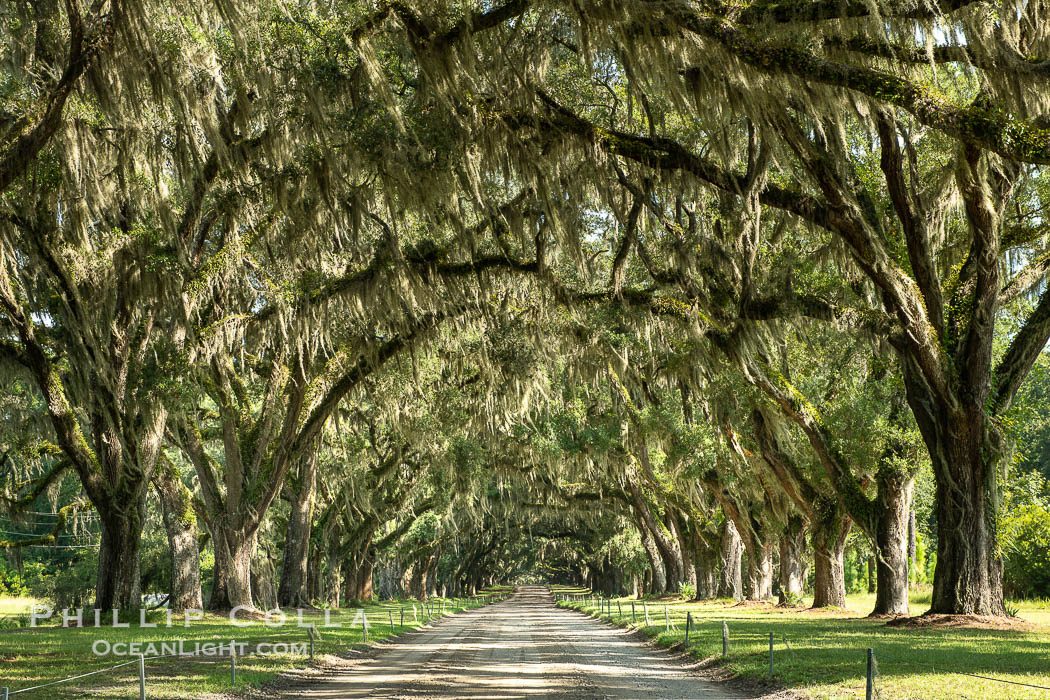
Four hundred oaks lean inward, and the road narrows to green.
Compare fares, pick the fit — all bookings are mobile-voucher and eligible for free cancellation where shown.
6 hr
48 hr
1 hr 20 min
| Experience | Duration | Rating | Skip-the-line | Guide | Small group | Free cancel. | Price | |
|---|---|---|---|---|---|---|---|---|
|
Guided Experience
Most popular
Bonaventure Cemetery & Wormsloe Historic Site Day Tour
|
6 hr | ★ 4.8 | ✓ | ✓ | ✓ | ✓ | €65 | Book → |
|
Guided Experience
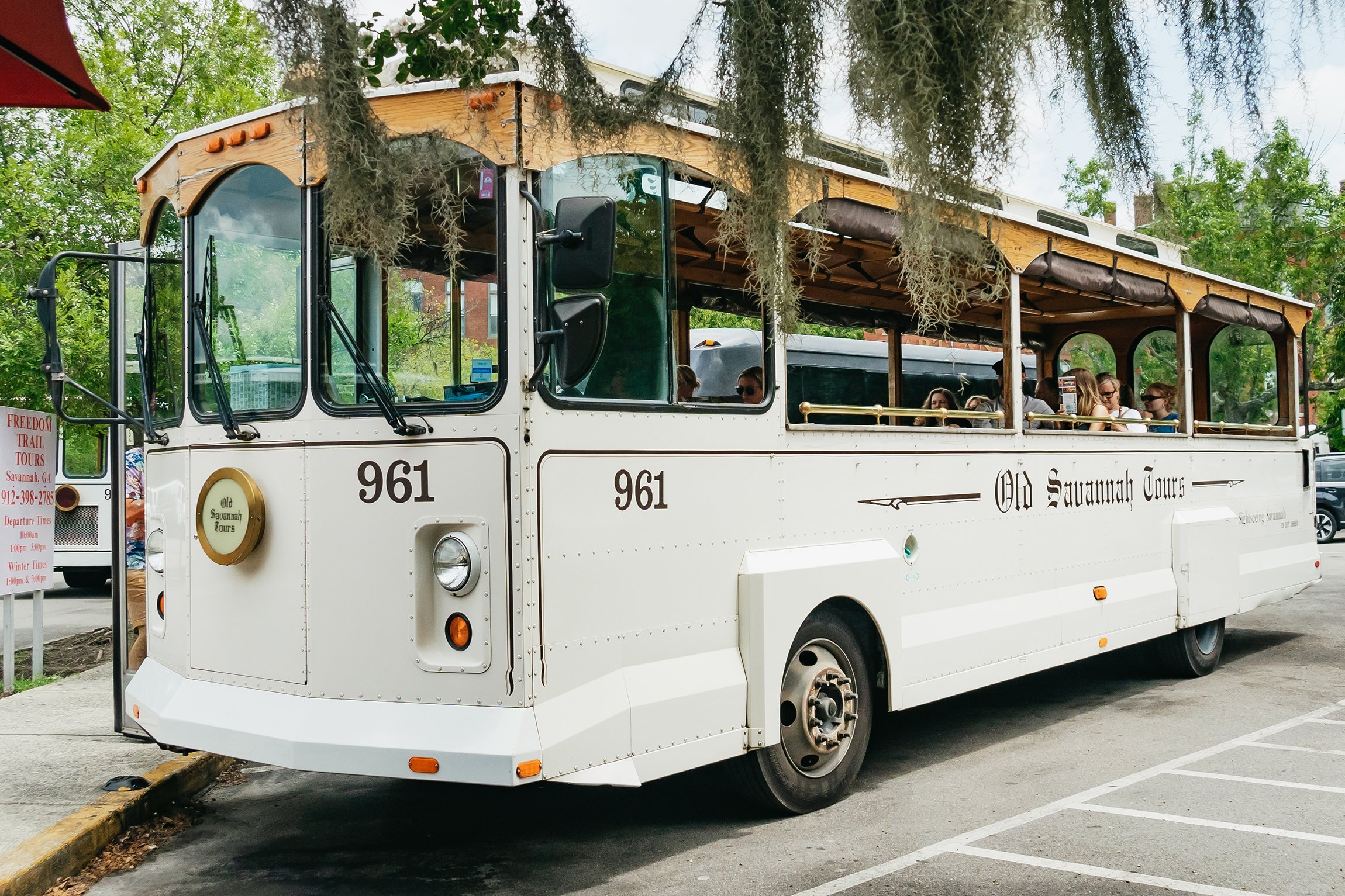
Savannah Old Town Hop-On Hop-Off Trolley Tour
|
48 hr | ★ 4.7 | ✓ | ✓ | ✓ | ✓ | €40 | Book → |
|
Standard Entry
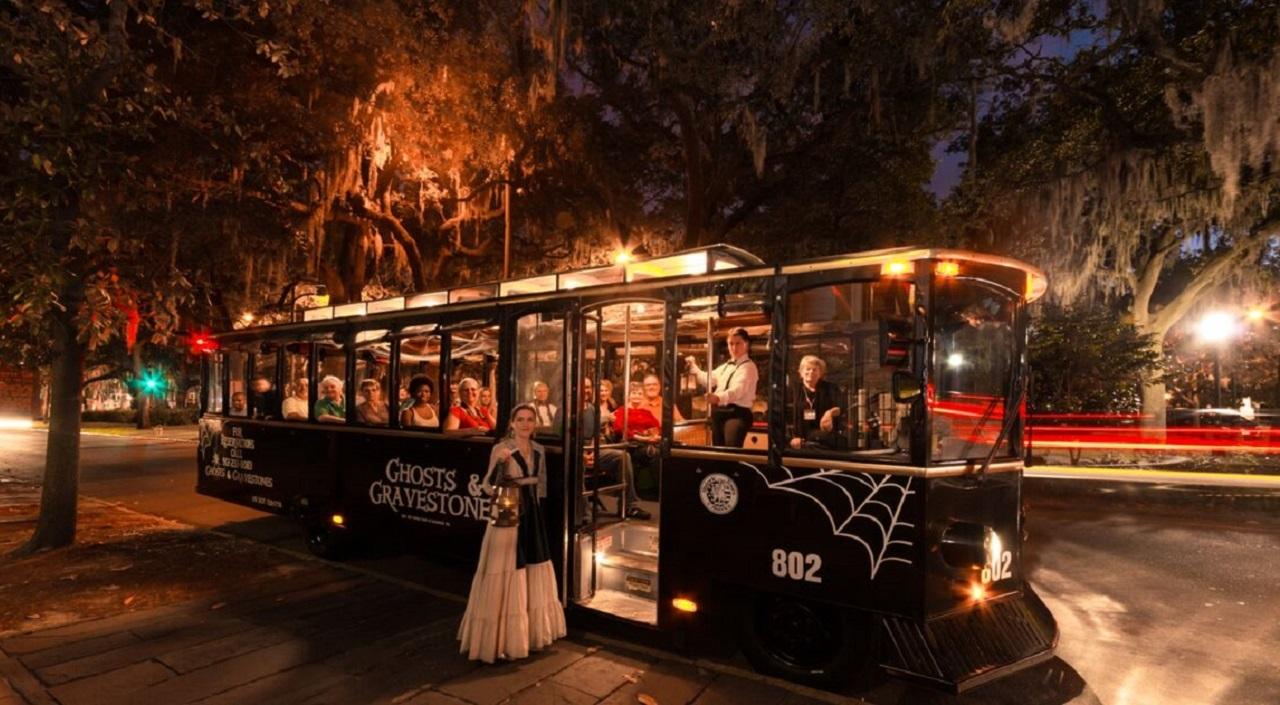
Savannah Ghosts & Gravestones Trolley Tour with Andrew Low House Entry
|
1 hr 20 min | ★ 4.2 | — | ✓ | — | ✓ | €38 | Book → |
Worth it if you walk past the gate
A Wormsloe Historic Site Ticket costs 12 USD for adults plus tax, and the honest math starts with what you can see without paying: the live oak avenue and its Spanish moss are visible from the entrance drive, which is why some visitors treat Savannah landmarks like this as a drive-by photo stop. Pay the 12 USD and you unlock the rest — the interpretive museum, the tabby ruins of the Jones family fortification, the colonial life demonstration area with costumed living history, and roughly a mile of marsh-edge nature trails along the Isle of Hope. Judged as a state park day, that's reasonable value; judged as an avenue snapshot, it's poor. Guided Wormsloe Historic Site Ticket tours and program-day visits skew the value further in your favour. It pays off for history-minded travellers, birders, and anyone who walks. It disappoints people who arrive purely for the oaks.
Bottom line: Buy the Wormsloe Historic Site Ticket if you plan to walk the grounds for two hours; skip it if the oaks are all you came for.
Hand-picked experiences loved by thousands of travelers
1.5 hours
Free Cancellation
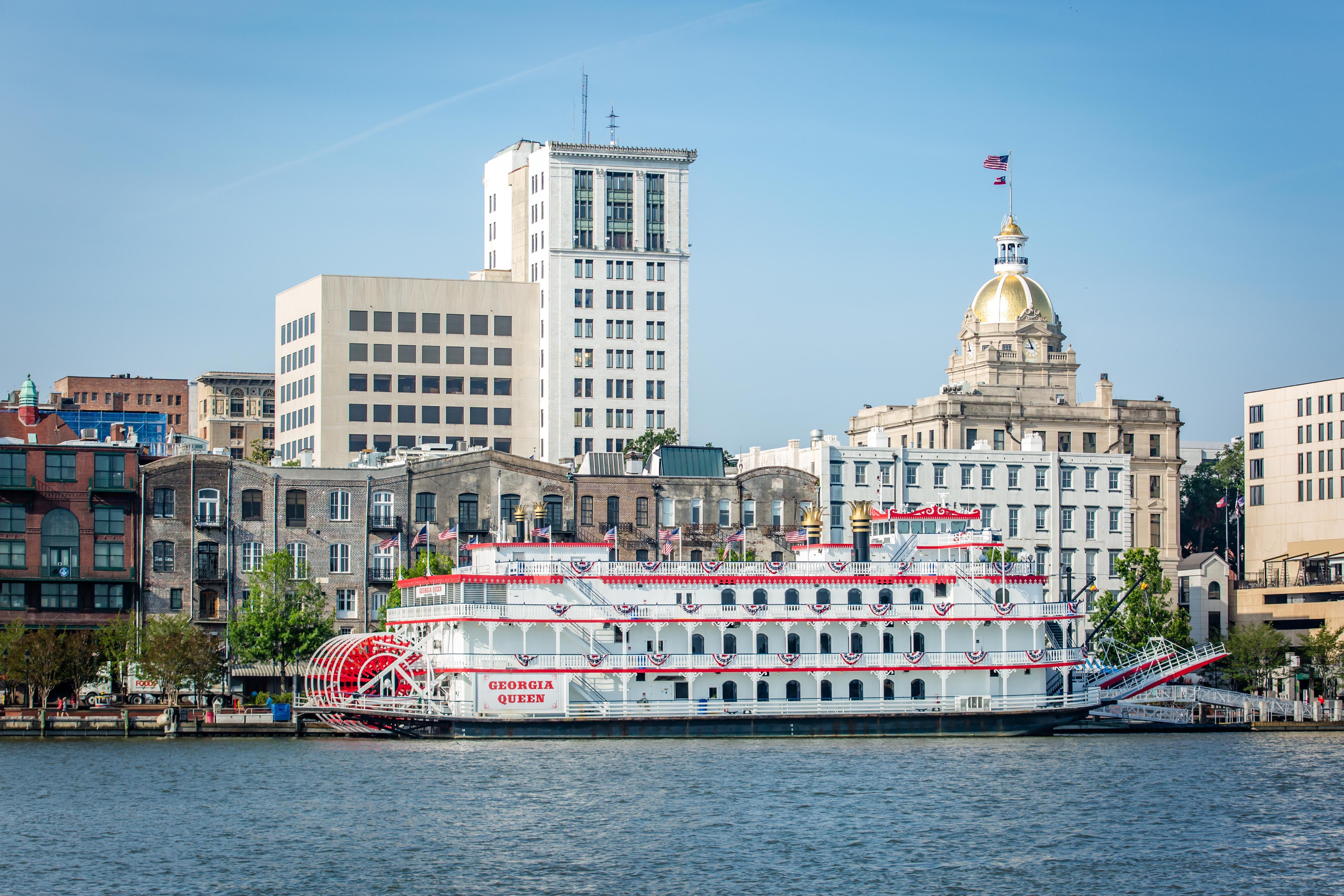
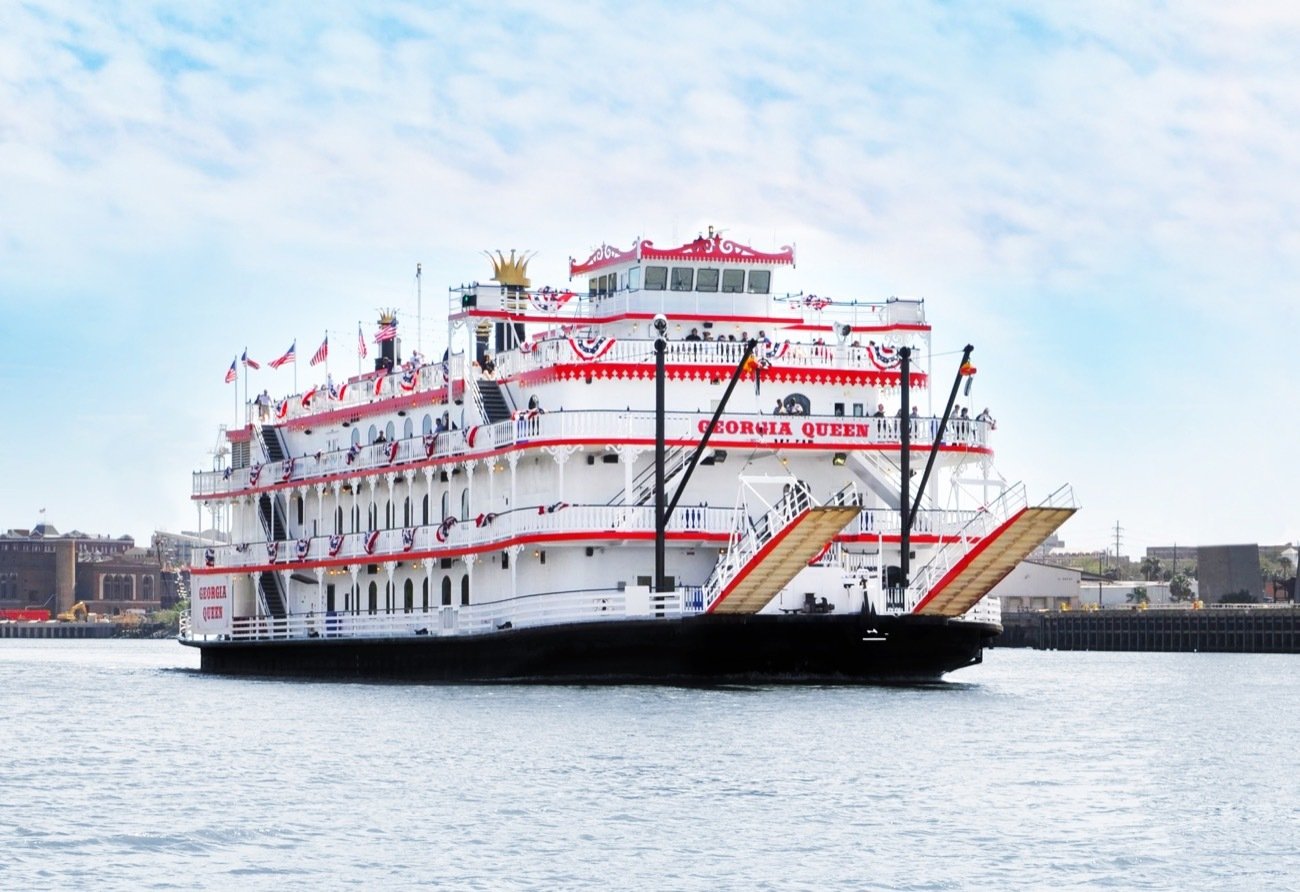
Cruise Savannah's historic river, hear the captain's tales, and spot a century-old fort cannon.
75 minutes
Free Cancellation
Hop aboard an open-air trolley for a 75-minute ride through 270+ years of Savannah history.
1.5 hours
Free Cancellation
A raucous 90-minute trolley ride mixing real Savannah history with outrageous comedy, skits, and costumes.
3 hours
Free Cancellation
Stroll Savannah's Historic District, sampling local flavors at 6 stops with a knowledgeable guide.
2 hours
Free Cancellation
Cruise the Savannah River with a Southern buffet, live captain narration, and views of Old Fort Jackson.
75 minutes
Free Cancellation
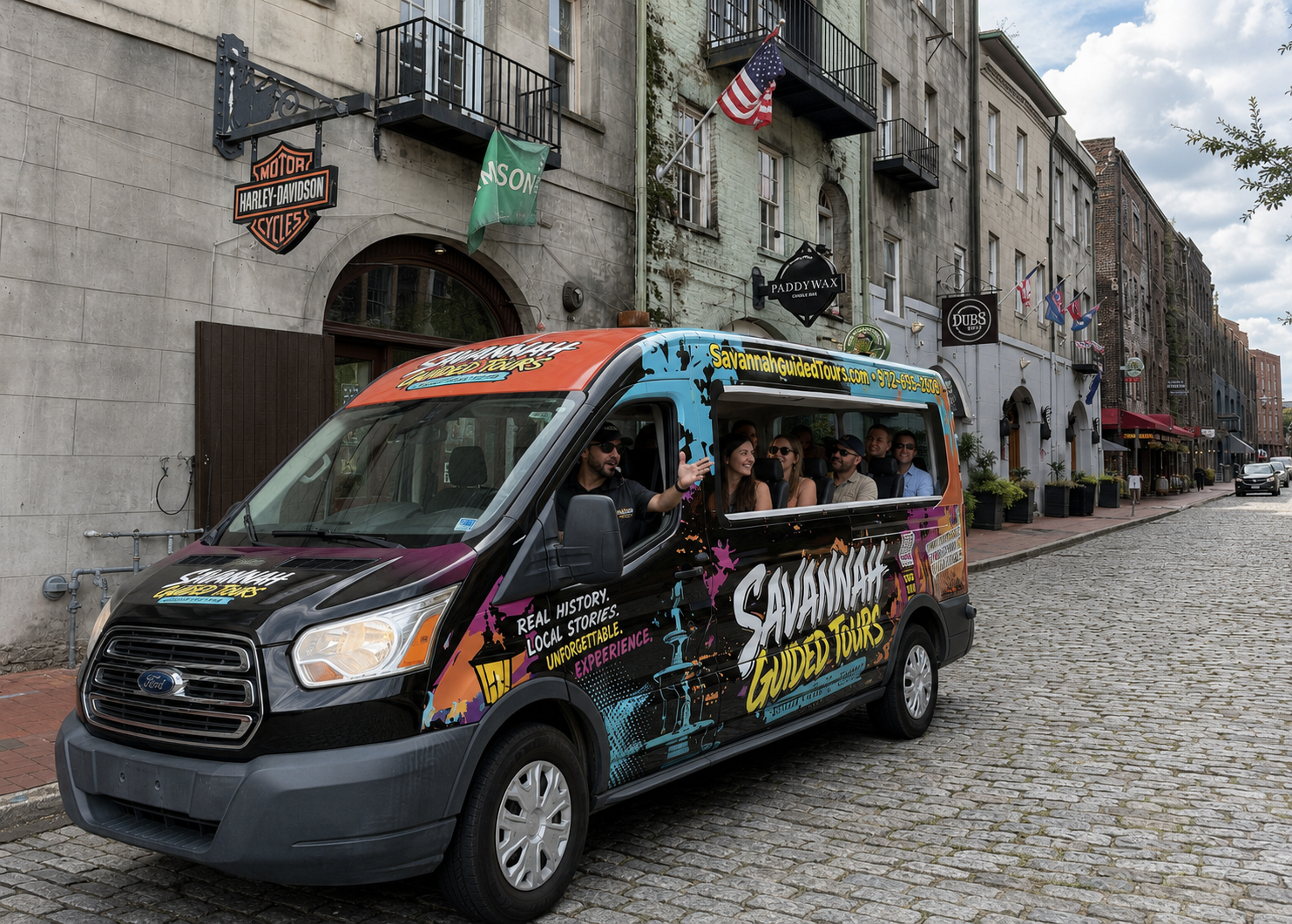
Ditch the crowded trolley — tour Savannah's squares and landmarks with a local guide in an open-air minibus.
1 hour
Free Cancellation
Glide through Savannah's iconic Bonaventure Cemetery by golf cart and uncover its haunting history in just an hour.
3 hours
Free Cancellation
Eat your way through Savannah's historic streets with shrimp & grits, oysters, and a drink in hand.
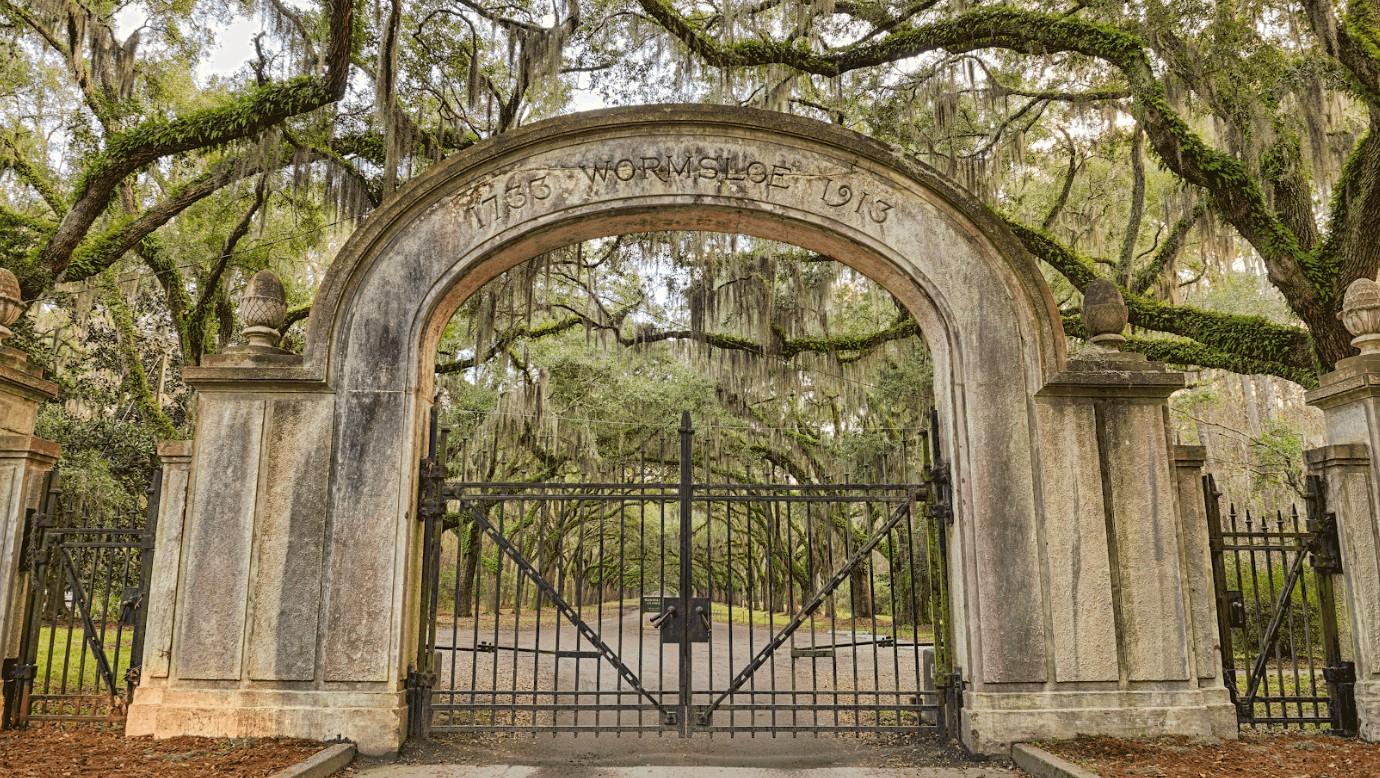
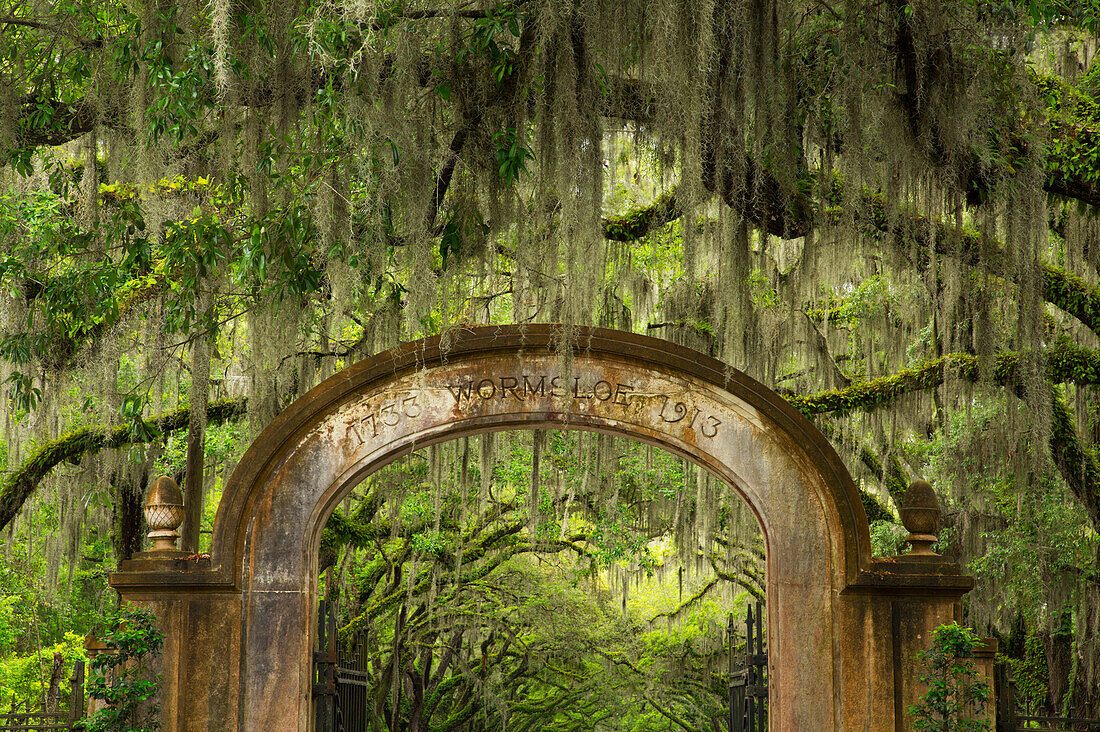
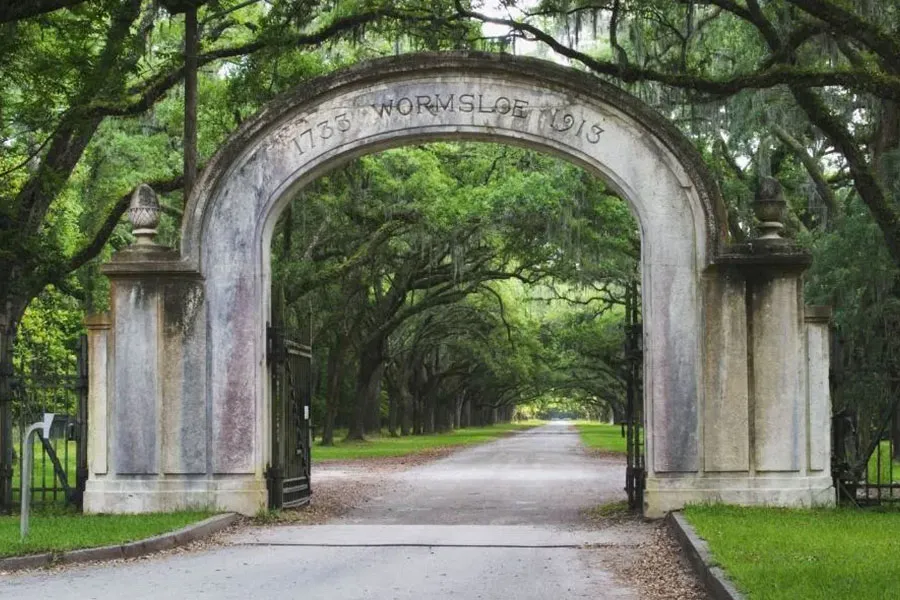
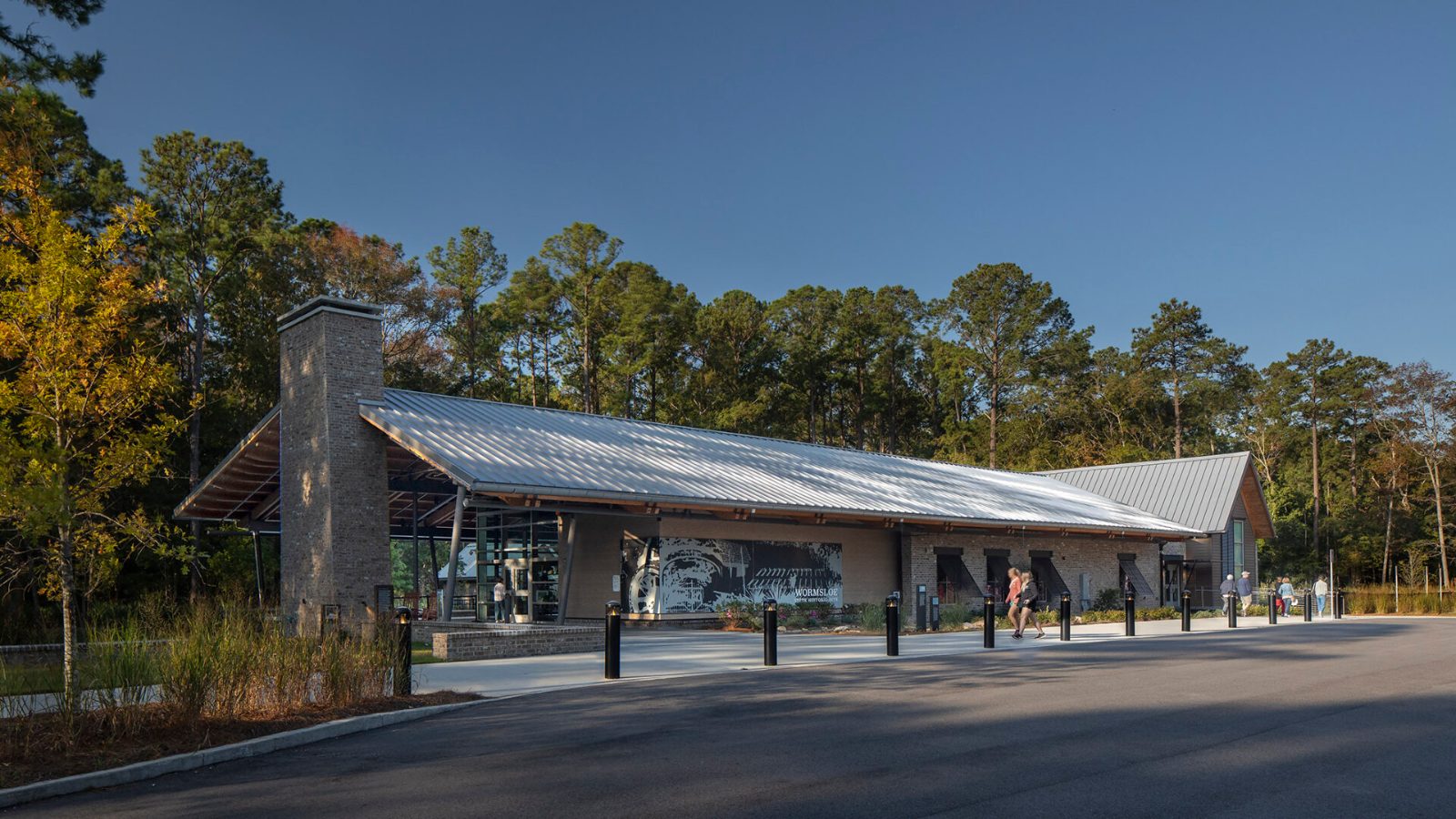
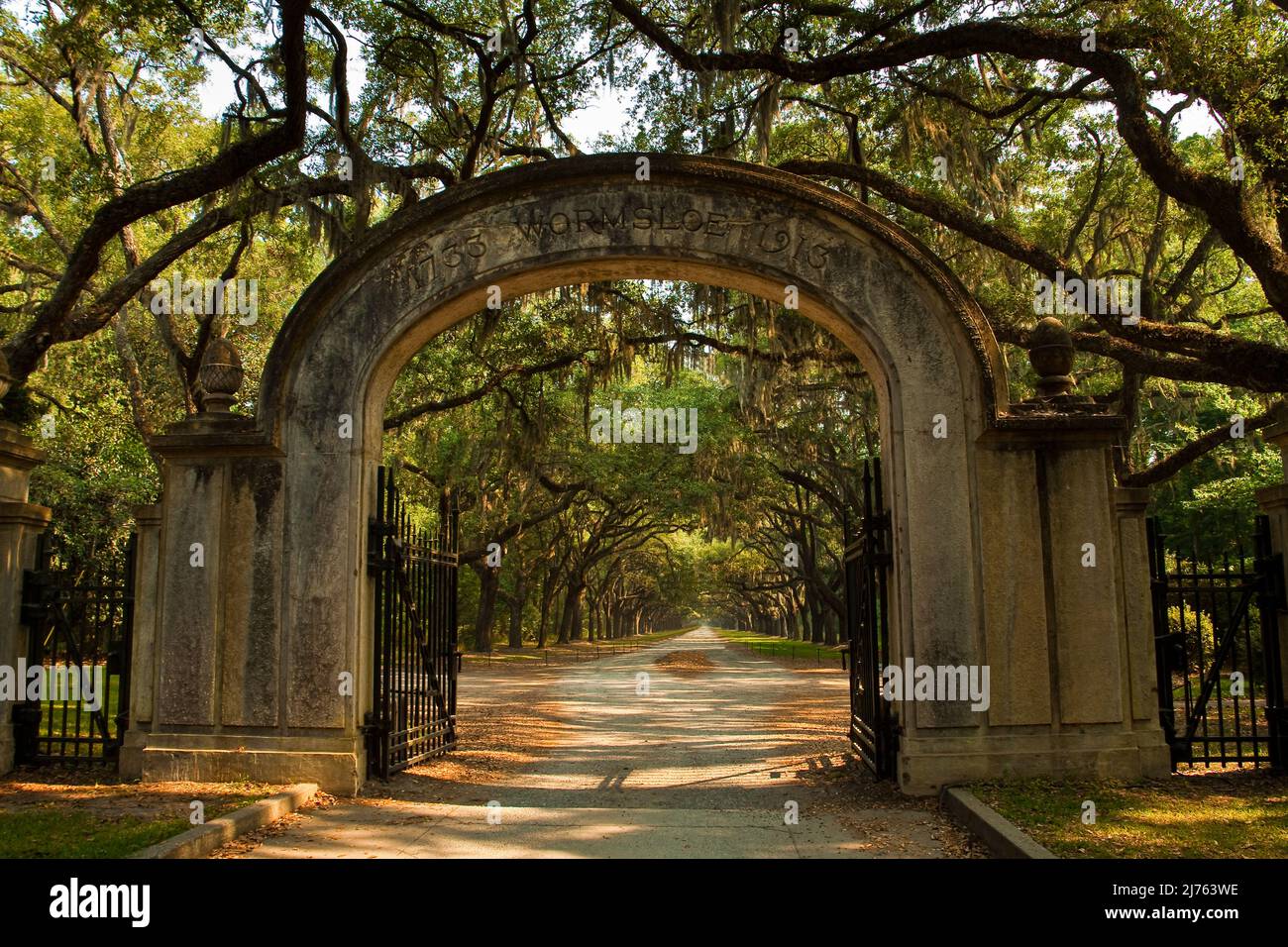
Pay admission at the historic cottage beside the 1913 stone entrance arch before driving or walking Oak Avenue.
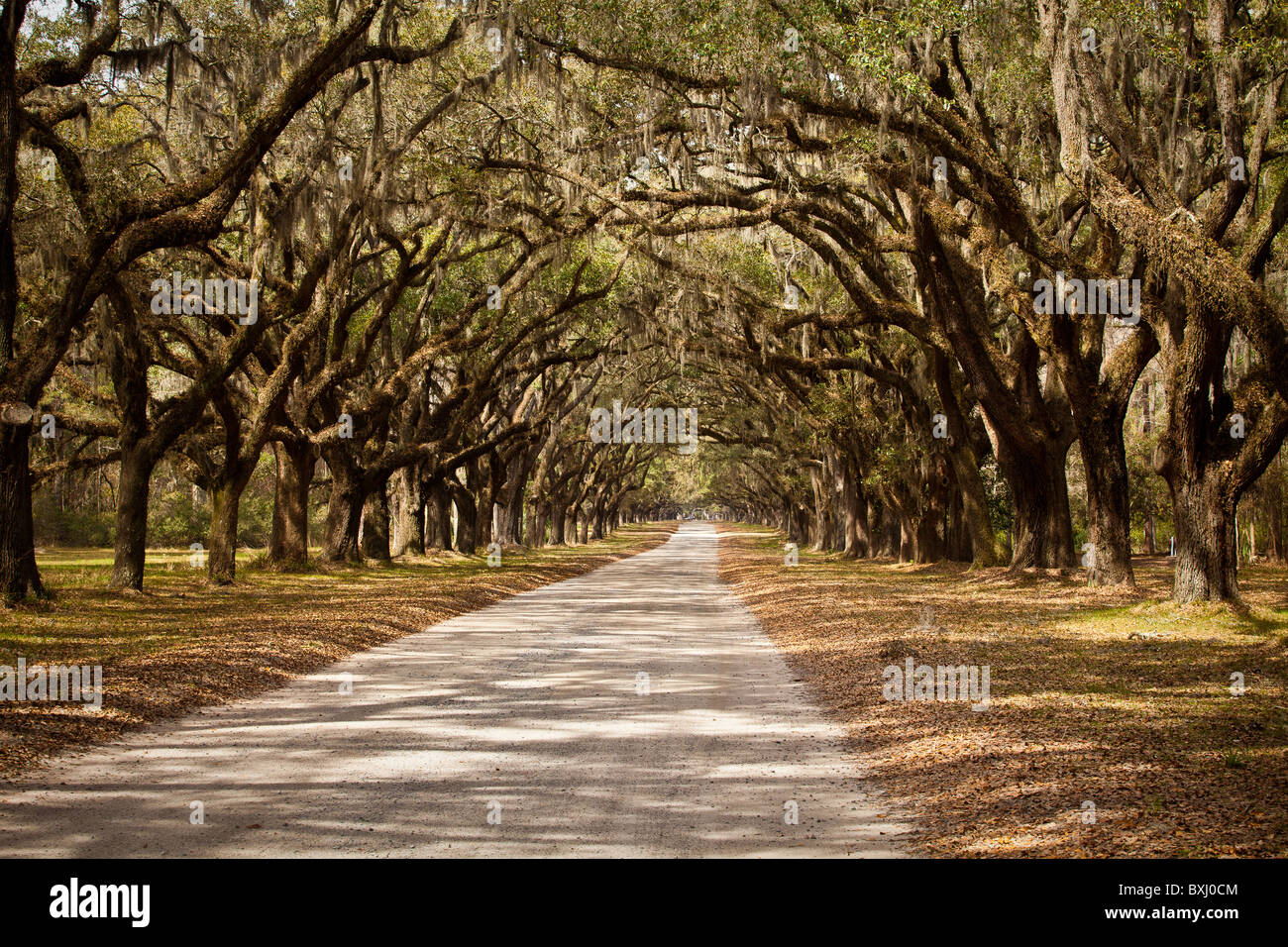
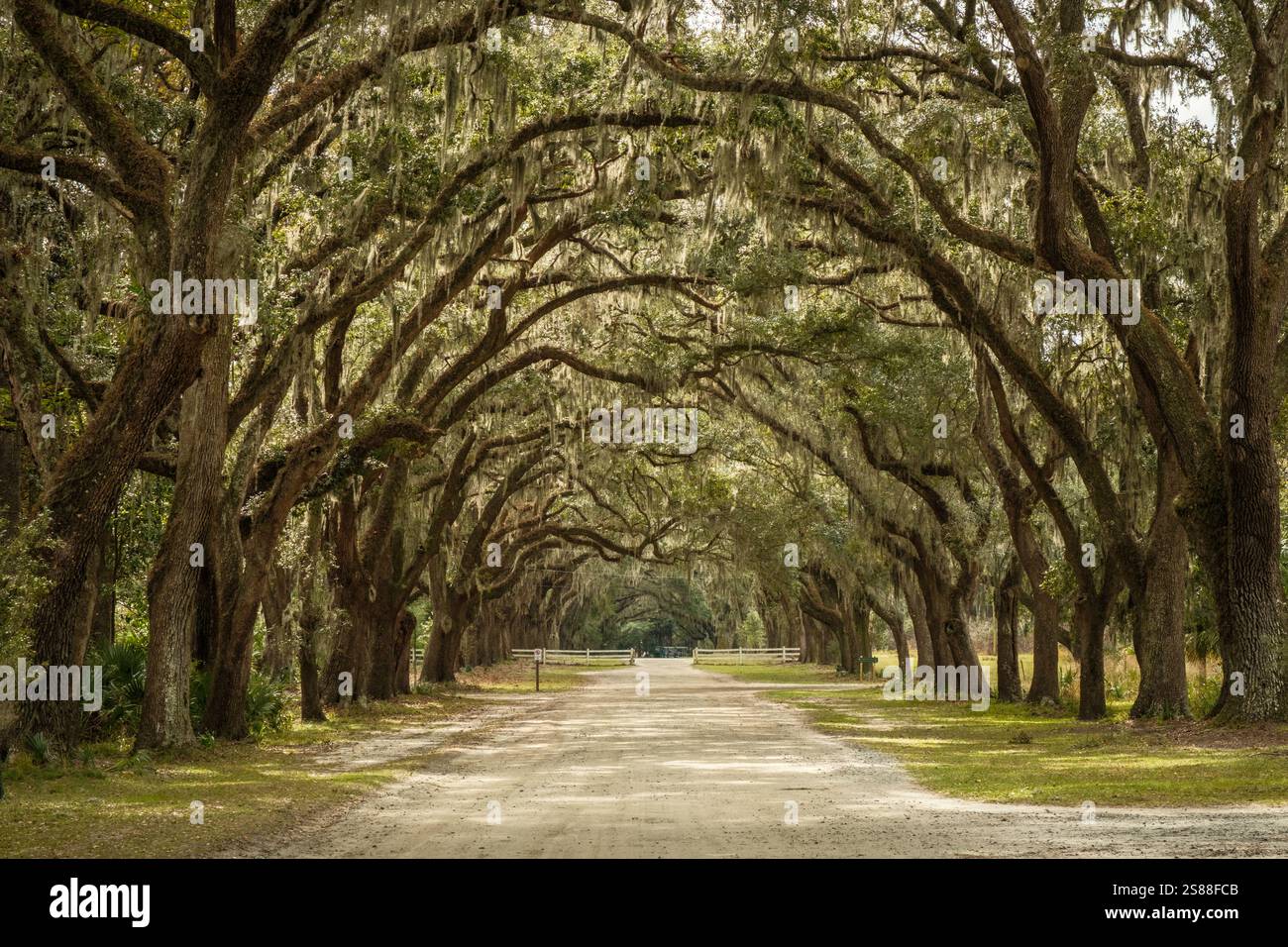
Follow the 1.5-mile canopy of moss-draped live oaks from the entrance to the museum parking area.
View artifacts unearthed at Wormsloe and watch the short film on Noble Jones and colonial Georgia.
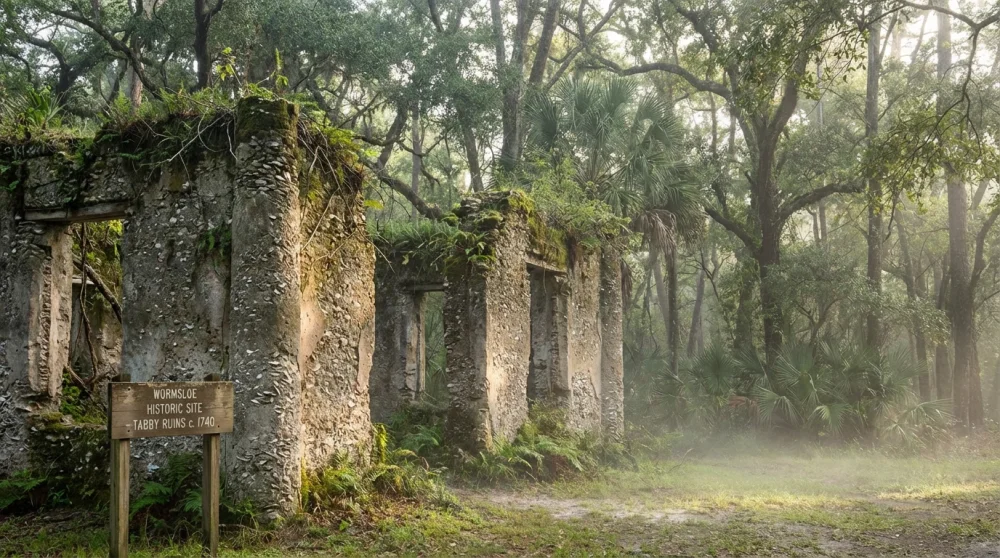
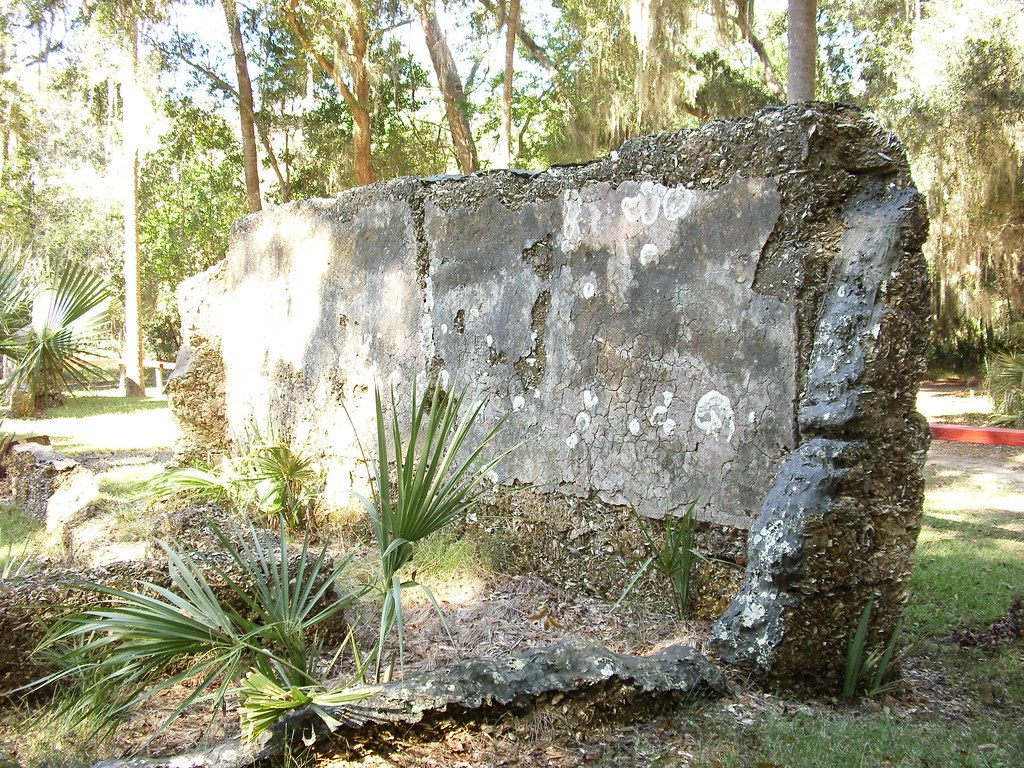
Walk the interpretive nature trail past the marsh to the 1745 tabby ruins of the original fortified house.
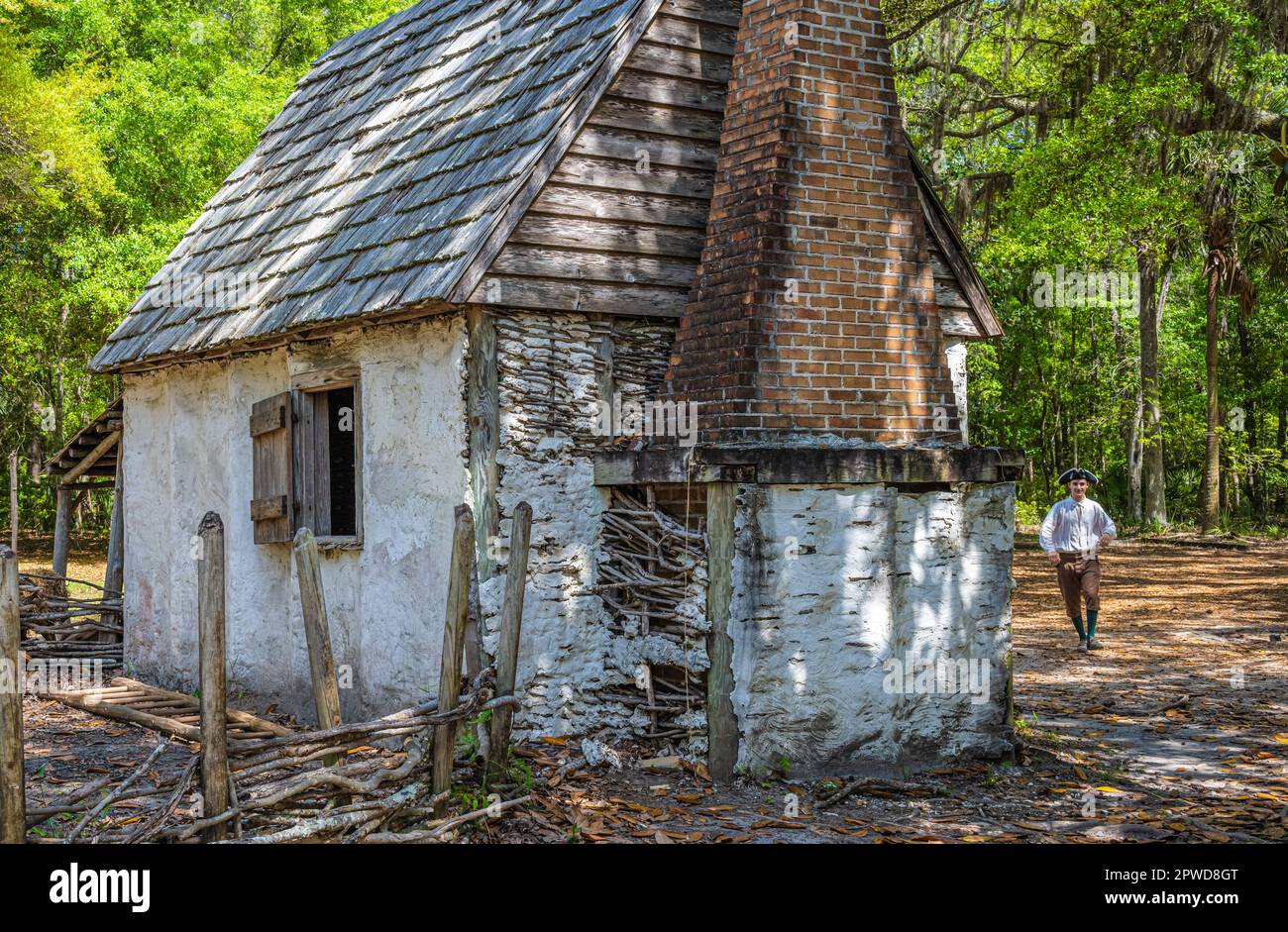
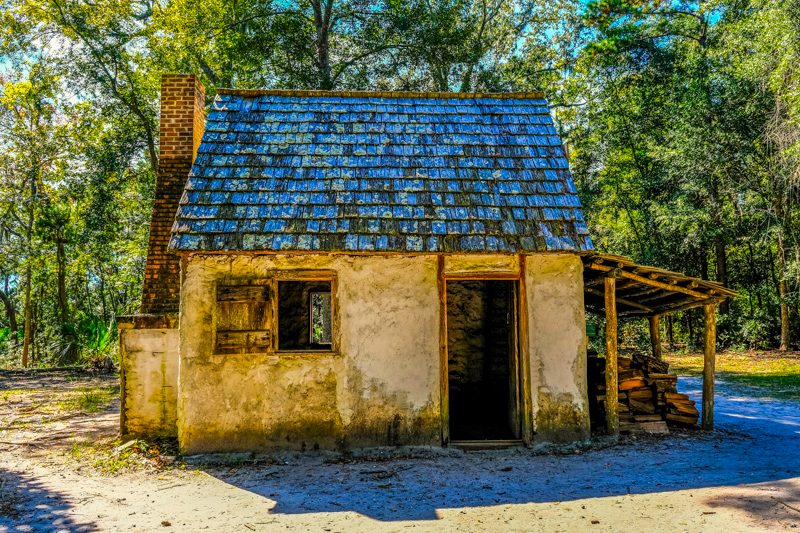
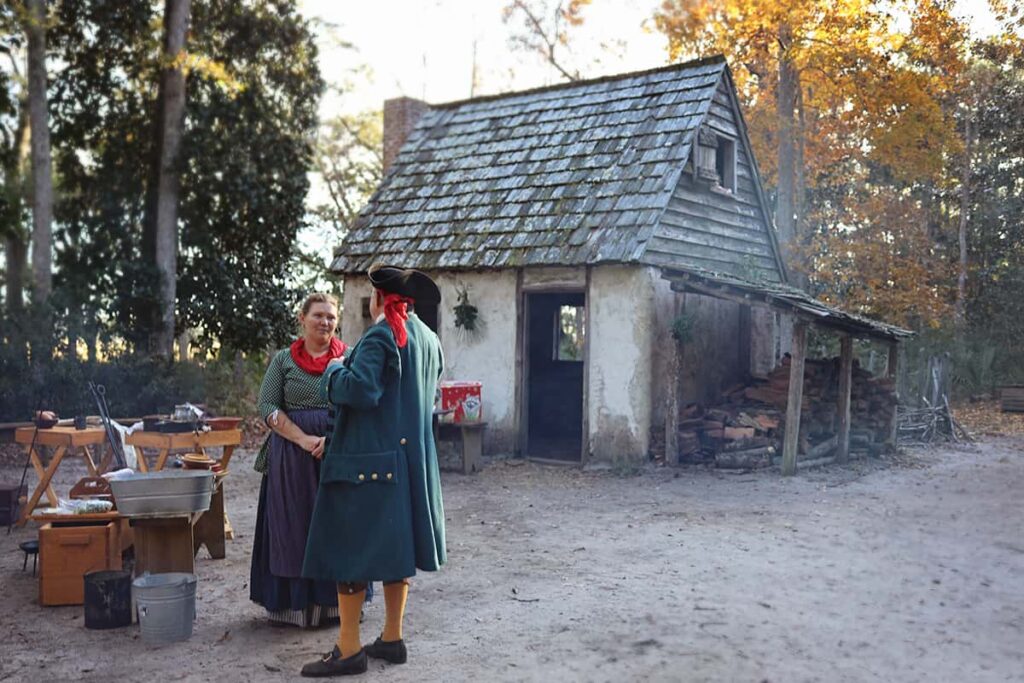
See replica wattle-and-daub structures and, when staffed, costumed interpreters demonstrating colonial-era skills.
Extend the visit on the Battery Trail or shorter loop trails through coastal forest and past Civil War earthworks.
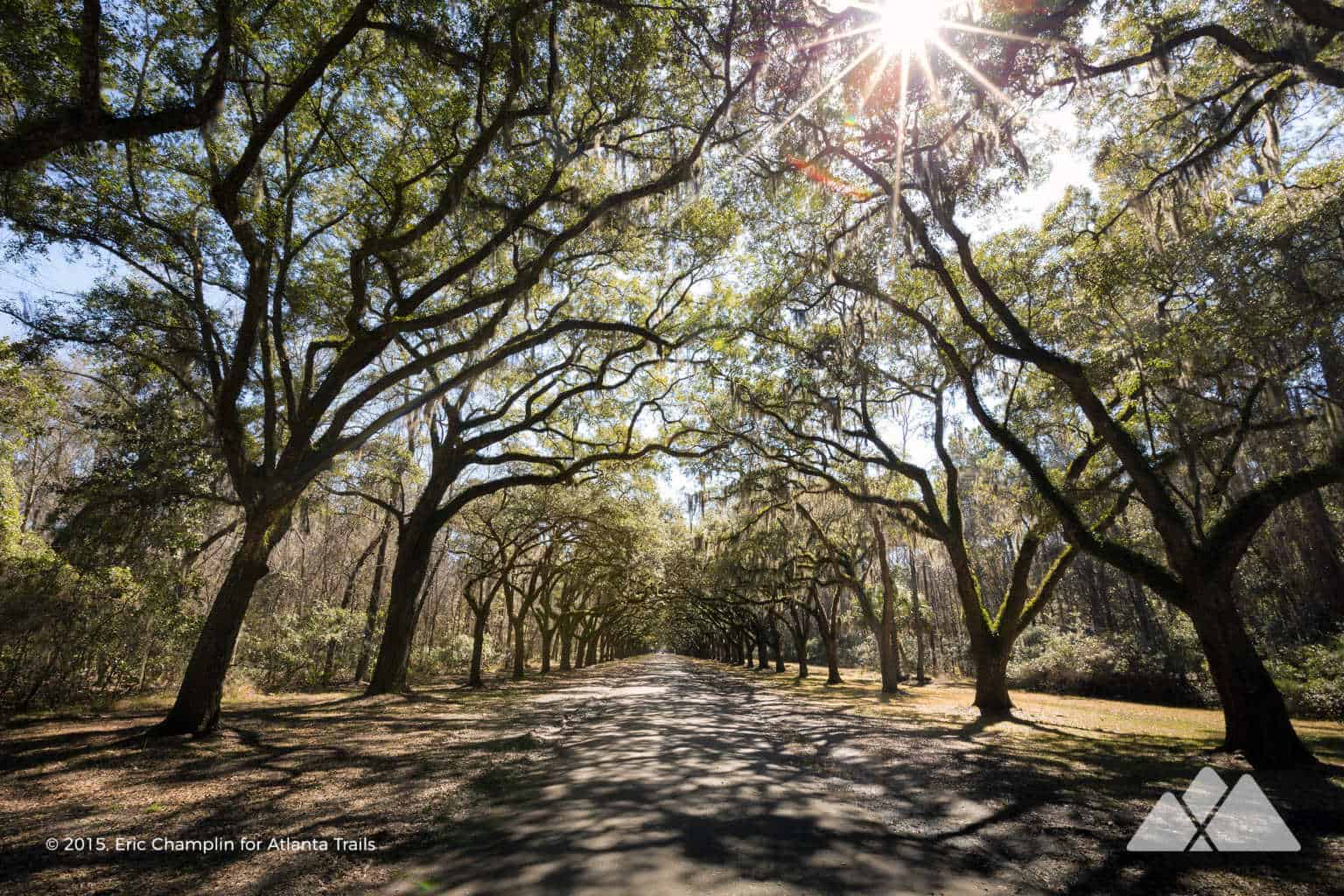
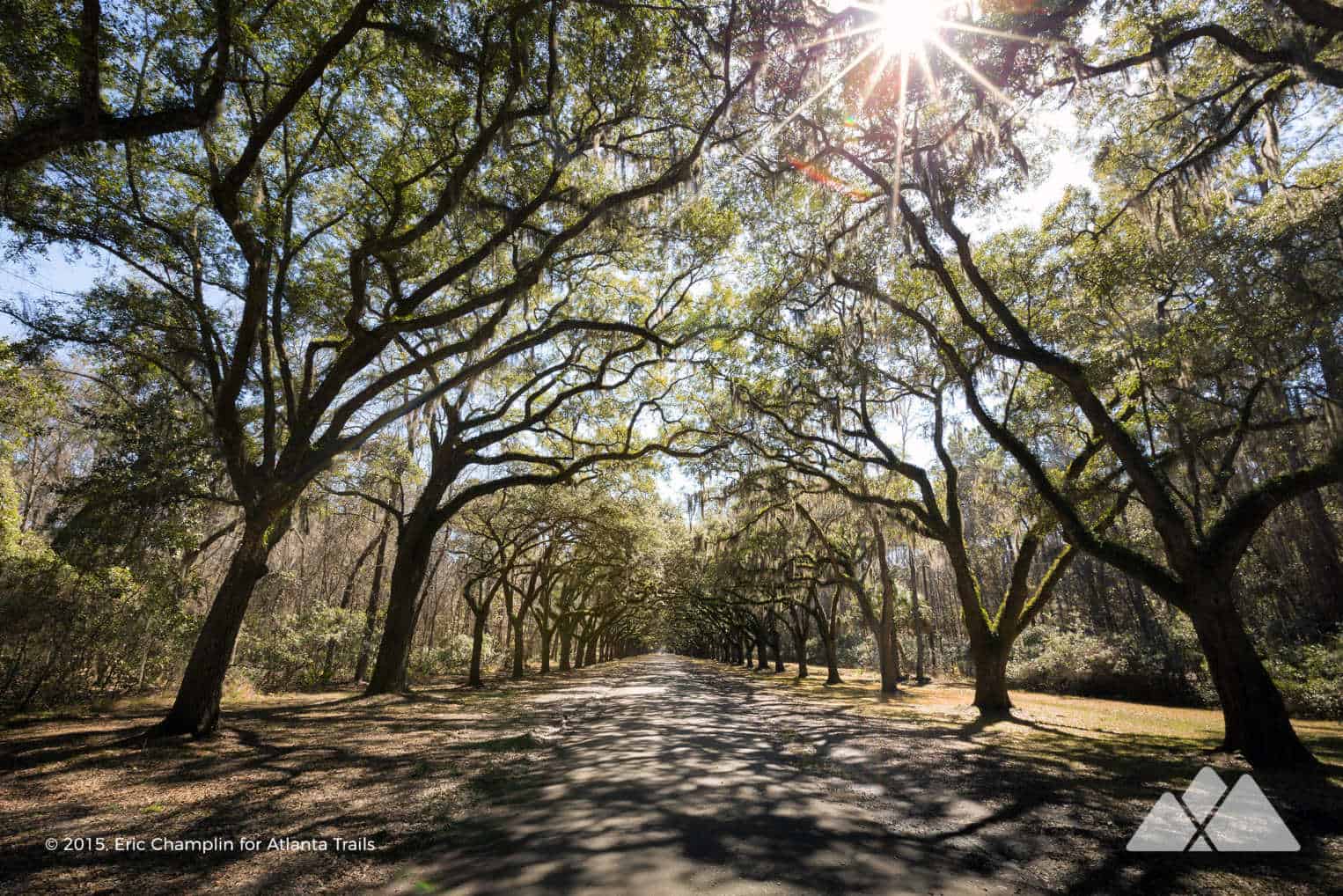
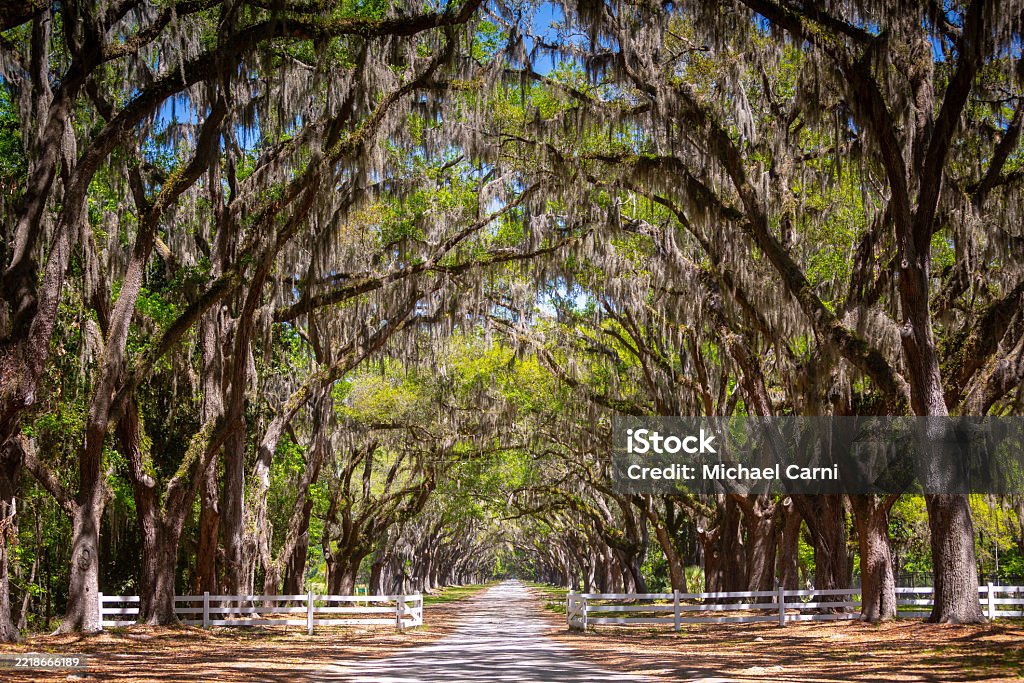
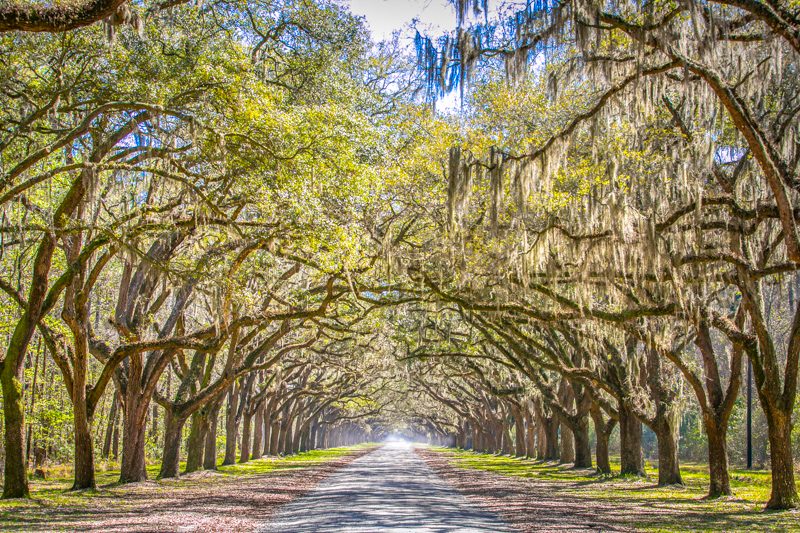
A 1.5-mile drive lined with roughly 400 live oaks planted in the 1890s, their branches draped in Spanish moss forming a near-continuous canopy. It remains one of the most photographed stretches of road in the Savannah area.
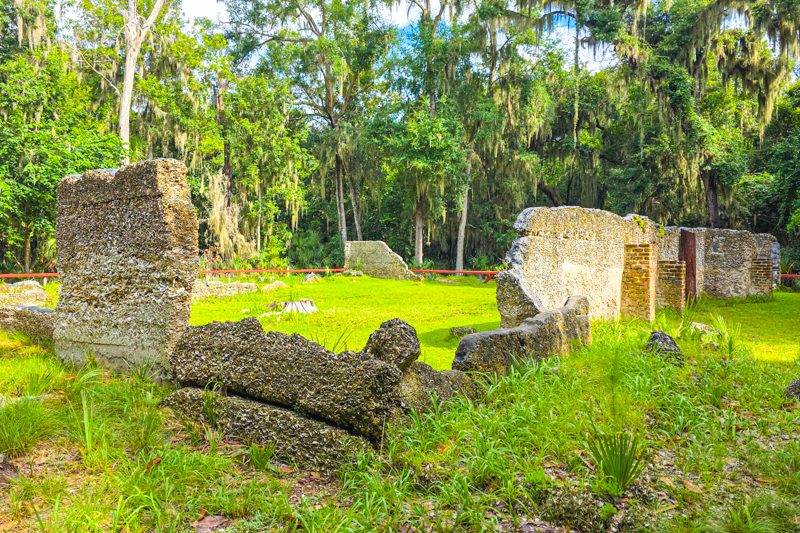
The fortified remains of Noble Jones' 1745 house, built from tabby, a colonial-era concrete of lime, sand, water, and crushed oyster shell. It is considered the oldest standing structure in the Savannah area.
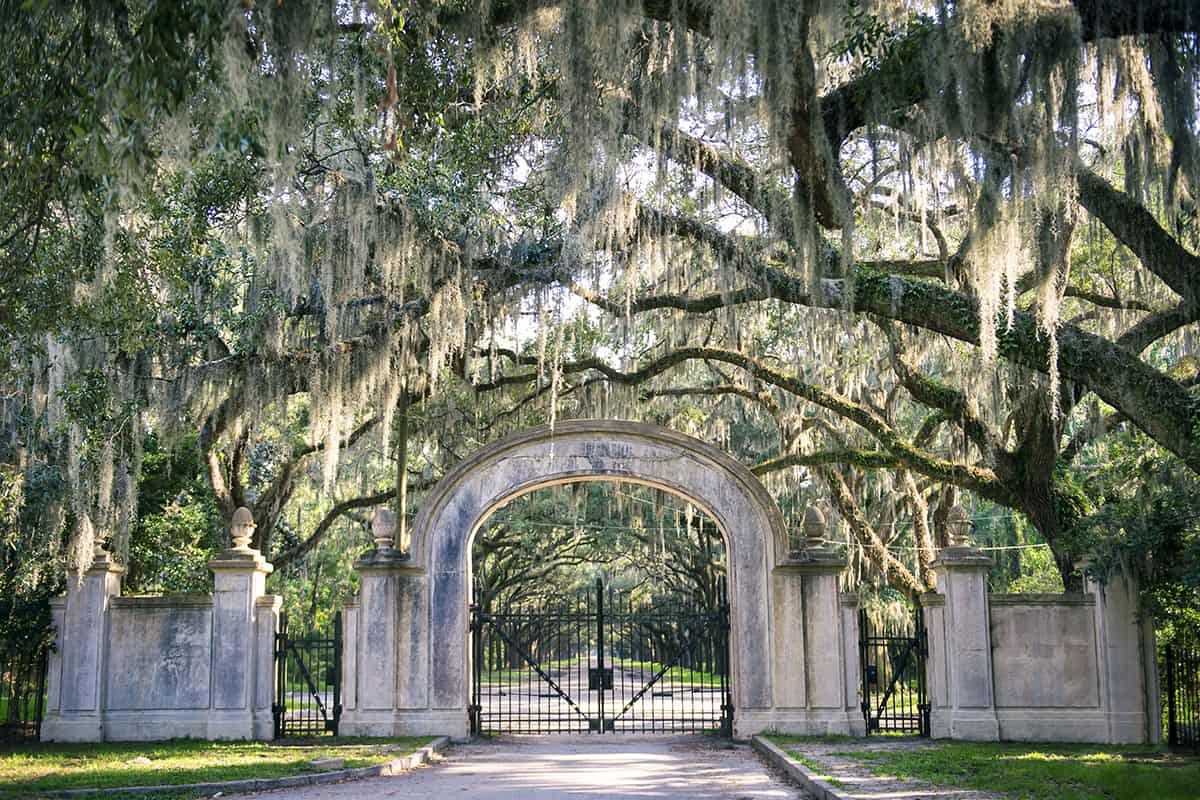
A stone gateway raised in 1913 that frames the start of Oak Avenue and marks the historic approach to the estate. It has become a recognizable threshold image for the entire site.
A cluster of reconstructed wattle-and-daub huts representing the everyday dwellings of colonial-era settlers and laborers. Costumed interpreters periodically demonstrate period tools and domestic skills here.
A visitor center exhibit space displaying artifacts excavated from the estate alongside a short film on Noble Jones and Georgia's founding. Its collection includes ceramics and tools recovered from decades of archaeological digs on site.
A roughly 3-mile trail leading past Civil War-era Confederate earthworks built to help defend the Skidaway Narrows. It extends well beyond the historic core into quieter coastal maritime forest.
You turn off Skidaway Road at the stone arch and the light drops immediately. The avenue runs 1.5 miles under interlocking branches, and you drive it slowly — everyone does — with the windows down for the smell of marsh.
At the visitor centre you present your Wormsloe Historic Site Ticket tickets, pay 12 USD adult admission plus tax, and pick up a trail map at the desk.
Start in the museum theatre. The film runs about twelve minutes and gives you Noble Jones, Oglethorpe and the Anne before you meet any of it outdoors. Then take the paved path to the tabby ruins, where you crouch to see the oyster shell still visible in the mix, sharp-edged after nearly three centuries.
From there the trail loops toward the water. Boardwalk sections cross low ground; the river appears through the palmettos in flat silver panels. At the colonial life area, interpreters work a forge or a rope walk depending on the day, and you can ask questions without queuing. Bring water — the site is open 09:00–16:45 daily and shade is uneven past the ruins.
Walk back along the avenue on foot if you can. The oaks read differently at eye level than through a windscreen, and the return is where most people finally stop talking.
All the details about your upcoming adventure in one place
A Wormsloe Historic Site Ticket opens the gate to the Isle of Hope estate founded by Noble Jones, where a mile-and-a-half oak avenue draped in Spanish moss leads toward Georgia's oldest standing tabby structure. Beyond the ruins, marked nature trails wind through salt marsh and maritime forest to a colonial life demonstration area with costumed interpreters and a small museum theater. Savannah landmarks tours often pair the estate with the riverfront, though Wormsloe Historic Site Ticket tickets cover the grounds independently for those who prefer a slower pace.
The oaks were planted by a grandson, not a founder. Noble Jones, a carpenter who sailed with James Oglethorpe aboard the Anne in 1733, never saw the avenue that now defines the place; the live oaks lining the 1.5-mile entrance drive were set in the ground in the 1890s to mark the birth of a descendant.
The trees have since outgrown their occasion.
What Jones did leave stands nearer the marsh: a fortified house of tabby, that Lowcountry concrete of lime, sand, water and oyster shell, raised in the 1740s against the possibility of Spanish attack from Florida. Those tabby ruins are the oldest standing structure in Savannah. They are modest — waist-high walls, a corner still square — and they reward slow looking rather than photography. Around them the estate reads as a working colonial landscape: a demonstration area where costumed interpreters render tools and rope, a small museum theatre outlining the Georgia colony's first decade, and a nature trail bending toward the Skidaway River salt marsh. A Wormsloe Historic Site Ticket admits visitors to all of it.
Significance here is less architectural than continuous. The Jones family held this land for more than two and a half centuries, and the state historic site — 822 acres deeded in 1973 — occupies only part of the original tract; descendants still live on the remainder, which is why the avenue ends at a gate rather than a house. Few American properties preserve that kind of unbroken tenure, and fewer still let the public walk through the middle of it. The result is a site that resists the tidy museum frame. Marsh grass encroaches. Spanish moss loads the branches. The interpretive program leans toward material culture — how tabby was mixed, how a colonist survived a Georgia August — rather than portraiture and dates.
Among Savannah landmarks, Wormsloe sits apart from the squares and townhouses of the historic district, ten miles southeast on Isle of Hope, and the distance changes the register entirely. Guided Wormsloe Historic Site Ticket tours and self-directed visits both begin at the arch and follow the same green corridor. It is a colonial ruin, an arboretum by accident, and a family's long argument with the tidewater, held together by shell and lime.

The trees have since outgrown their occasion.
Wear closed-toe walking shoes for the sandy, sometimes uneven nature trails beyond the paved Oak Avenue. Lightweight, breathable clothing and a hat are recommended given Savannah's high summer humidity, and layers help for cooler winter mornings.
There are no bag-check stations or metal detectors at Wormsloe Historic Site; staff at the entrance cottage simply verify your admission ticket. Small backpacks and daypacks are permitted throughout the grounds, museum, and Colonial Life Area.
Personal photography and video are permitted throughout Oak Avenue, the tabby ruins, and nature trails, including tripods for personal use. Visitors must purchase an entrance ticket before photographing the Oak Avenue, and commercial or professional photo/video shoots require prior written permission from park staff.
Children are welcome throughout the grounds, and the museum's short film and colonial artifact displays give younger visitors context before the walk. Costumed living-history demonstrations in the Colonial Life Area, when staffed, tend to hold kids' attention best.
The 1.5-mile Oak Avenue and the paved area around the visitor center are wheelchair and stroller accessible, and a shuttle tram runs between the entrance and museum for those who prefer not to walk the full avenue. Beyond the museum, the trail to the tabby ruins and the Colonial Life Area is unpaved sand and packed dirt, which can be difficult for wheelchairs after rain.
Picnicking is allowed in designated outdoor areas, but alcohol and smoking are prohibited on the grounds. There is no snack bar or restaurant on site and trash cans are not provided along the trails, so visitors must pack out everything they bring in.
Quiet, few school groups
Living history demos possible
Weekend crowds start building
Busiest day, arrive early
Hours
Daily 09:00–16:45, last entry before closing
Address
7601 Skidaway Road, Savannah, GA 31406, Chatham County
Access
Paved Oak Avenue is stroller/wheelchair friendly, nature trails are unpaved sand and dirt
Best light
09:00–11:00 for cooler temperatures and softest light on Oak Avenue
Bring
Water, insect repellent, and comfortable walking shoes
Car · 15-20 minutes from downtown · Free parking on site
Take Skidaway Road southeast from downtown Savannah; free on-site parking is available near the entrance cottage and museum lot.
Public transport · N/A · Fares vary by connection
Chatham Area Transit (CAT) buses do not run directly to Wormsloe, so a car or taxi is the practical option from downtown Savannah.
Taxi · 20-30 minutes · Approx. 25-40 USD one way
Rideshare or taxi from the Historic District or Savannah/Hilton Head International Airport drops directly at the entrance cottage.
Bike · 30-40 minutes from Isle of Hope · Free
Cyclists can ride Skidaway Road from the Isle of Hope neighborhood directly to the entrance, and bike racks are available near the visitor cottage.
Wormsloe Historic Site Ticket admission is paid on arrival at the visitor cottage, so there is no advance-booking cancellation window to manage. The 12 USD adult entrance fee (plus tax) is non-refundable once paid, since it is collected at the gate rather than reserved online.
Recommended time
2-3 hours
A Wormsloe Historic Site Ticket typically covers around 30-45 minutes on the mile-long oak avenue drive and walk, 30-40 minutes for the museum exhibits and short film at the visitor center, 30 minutes at the tabby ruins, and 30-45 minutes on the marsh-side nature trails, fitting comfortably within the 09:00-16:45 window. Add 30-45 minutes if you plan to walk the full avenue on foot rather than drive it, or if costumed interpreters are running a demonstration at the Colonial Life Area. There's rarely a queue at the gate, but the museum and shuttle stop can back up briefly once midday tour groups arrive. Photographers often spend longer on the oak avenue alone, so budget extra time for that stretch if it's your main draw.
Crowd levels through the day
Weather · crowds · average price — dots go green to amber to red as each metric rises.
Mild 60–75°F days and blooming azaleas make this the most comfortable season; expect moderate weekend crowds and the Colonial Faire & Muster event in March.
Hot, humid conditions with heat index often above 95°F and heavier insect activity along the trails, so mornings are far more comfortable than afternoons.
Cooling temperatures and thinning humidity return by October, with fewer visitors than spring and pleasant conditions for the full nature trail network.
Cool 45–60°F days bring the lightest crowds of the year, though live oaks keep their canopy since they don't shed for winter.
Admission for a Wormsloe Historic Site Ticket is sold only at the entrance cottage beside the stone arch, so budget a few minutes here before driving down Oak Avenue.
Trail-side bins are not provided along the nature trails or Colonial Life Area, so bring a bag to carry out any picnic waste.
Sections of the interpretive trail run close to tidal marsh, so keep small children and leashed pets away from the water's edge.
The neighboring Isle of Hope Historic District along Bluff Drive pairs naturally with a Wormsloe Historic Site Ticket for a half-day loop.
Costumed demonstrations in the Colonial Life Area happen on select days and during special events, so calling ahead at +19123533023 can confirm scheduling.
Bike rentals let visitors cover the full 1.5-mile Oak Avenue and connecting trails faster than walking, useful on hot afternoons.
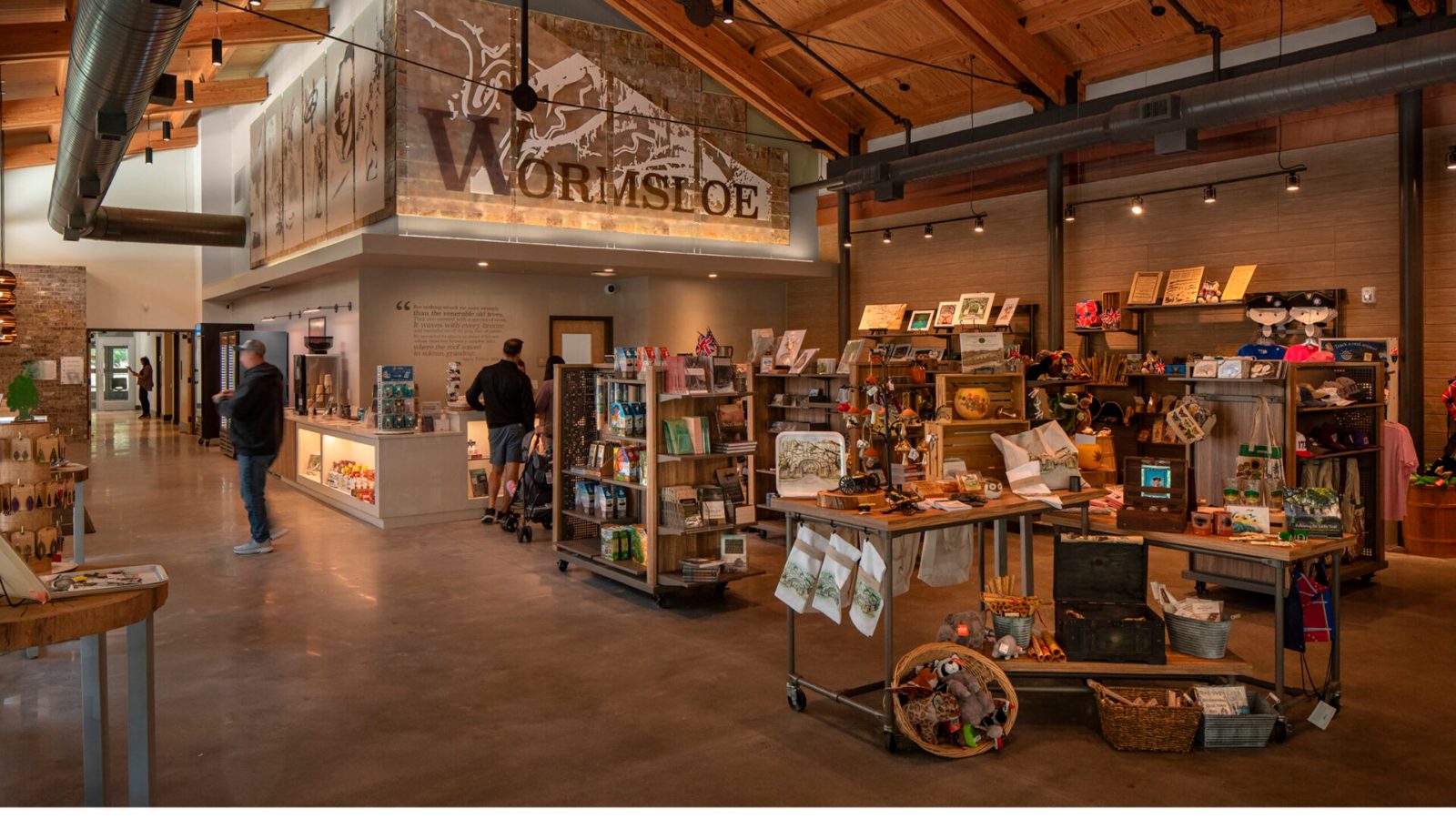
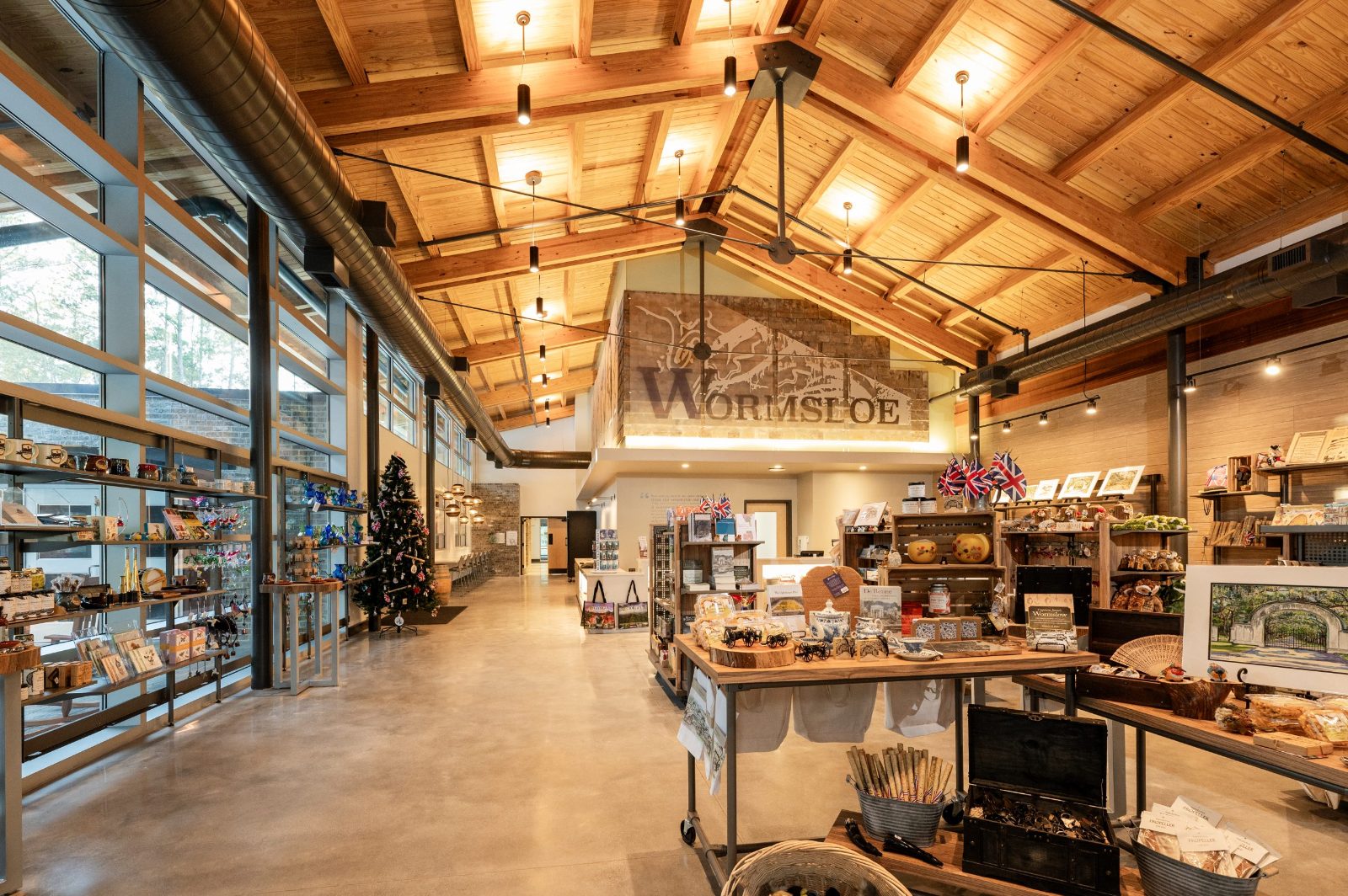
The visitor center gift shop and museum sell colonial-themed souvenirs and books not available for online purchase.
7601 Skidaway Road, Savannah, GA 31406
Ticket purchase point beside the 1913 stone arch
Get directions
End of Oak Avenue, Wormsloe Historic Site
Parking lot where the paved drive ends and walking trails begin
Get directionsIn 1736 Noble Jones, a carpenter and surveyor who had sailed with James Oglethorpe on the Anne in 1733, took a lease on 500 acres at the Isle of Hope. He named the tract Wormslow. The site was strategic. It guarded the Skidaway Narrows, the inland water passage to Savannah, and Jones commanded a company of marines there. Between 1739 and 1745 he raised a fortified house of tabby, the coastal concrete of oyster shell, lime, sand and water. Its walls stood five feet thick at the base, pierced for musket fire, with bastions at the corners. The Spanish threat that justified it faded after the Battle of Bloody Marsh in 1742. Anyone who buys a Wormsloe Historic Site Ticket today walks toward the ruin of that structure, the oldest standing building in Chatham County. The estate passed through eight generations of one family. Noble Jones died in 1775; his son Noble Wimberly Jones served in the Continental Congress. Successive owners worked the land with enslaved labour, cultivating rice, cotton and Sea Island staples, and the tabby ruin was abandoned as a residence in favour of a house nearer the river. George Wymberley Jones De Renne, a bibliophile who assembled a celebrated Georgia library, inherited in the nineteenth century. During the Civil War, Confederate engineers raised earthworks along the Skidaway bluff to obstruct Union gunboats; Fort Wimberly's remnants sit beside the colonial ruin. The garrison withdrew in 1862, and Sherman's forces reached Savannah in December 1864 without a fight at Wormsloe. The avenue that defines every Wormsloe Historic Site Ticket tour was not colonial. Wymberley Jones De Renne planted roughly 400 live oaks along the entrance drive in 1891, marking the birth of his son Wymberley Wormsloe De Renne. The arch, the tabby gate and the Spanish moss belong to that late Victorian gesture, not to Oglethorpe's frontier. Financial collapse in the 1930s broke up the library and part of the property. In 1973 the State of Georgia acquired 822 acres, and the following year the ruin opened to the public. Elfrida De Renne Barrow's descendants retained a private residence, which remains closed to holders of Wormsloe Historic Site Ticket tickets. Savannah landmarks rarely preserve so long a single lineage.
Noble Jones arrives in Georgia aboard the Anne with James Oglethorpe's first settlers.
Jones leases 500 acres at the Isle of Hope and names the tract Wormslow.
A fortified tabby house with five-foot walls is built to guard the Skidaway Narrows against Spanish attack.
Noble Jones dies; the estate passes to his son Noble Wimberly Jones, a delegate to the Continental Congress.
Confederate troops construct and then abandon the earthworks of Fort Wimberly on the bluff.
Wymberley Jones De Renne plants some 400 live oaks along the entrance drive to mark his son's birth.
Financial losses force the dispersal of the De Renne library and portions of the estate.
The State of Georgia acquires 822 acres, opening the ruin to visitors the following year.
The 1.5-mile entrance drive under 400 live oaks draped in Spanish moss is Wormsloe's signature shot; stand near the white fence gate line or walk the tunnel-like corridor toward the museum for the classic vanishing-point frame. Booking a Wormsloe Historic Site Ticket in advance means less standing around at the gate before you get this shot.
The masonry gateway at the property's start frames the oak tunnel beyond and works well as a wide establishing shot for a Savannah oak avenue tour or trip recap. Cars pass through slowly here, so step to the shoulder for a clean angle.
The oyster-shell tabby walls of Noble Jones's 1745 house, the oldest standing structure in Savannah, sit in a wooded clearing reached via the Battery Trail path from the museum lot. Shoot low along the broken wall line to contrast weathered tabby texture against surrounding greenery.
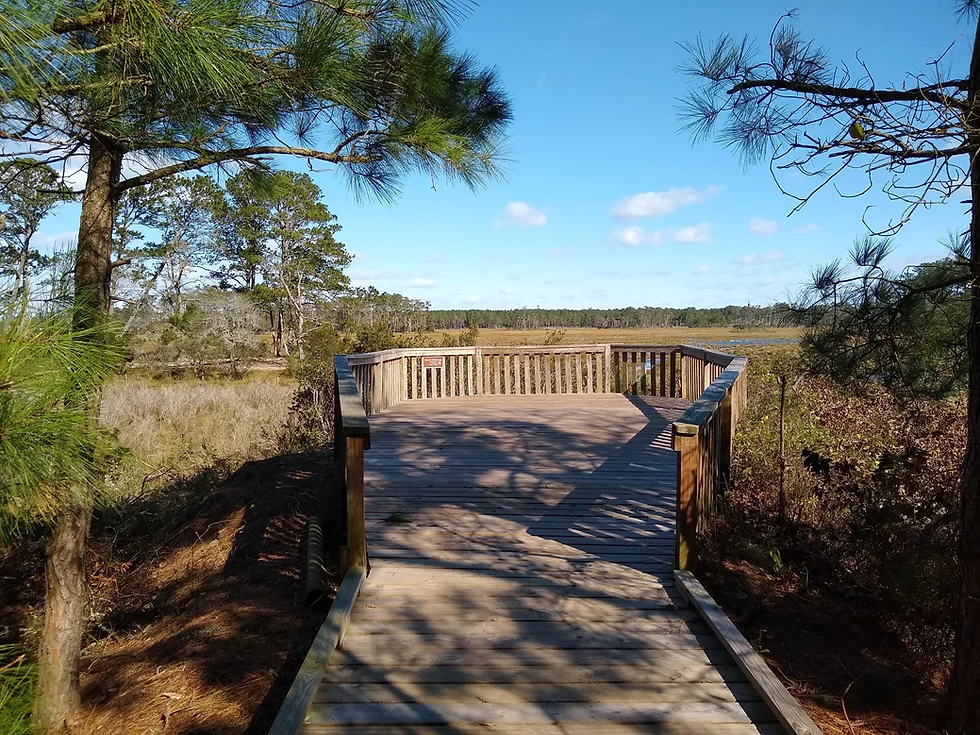
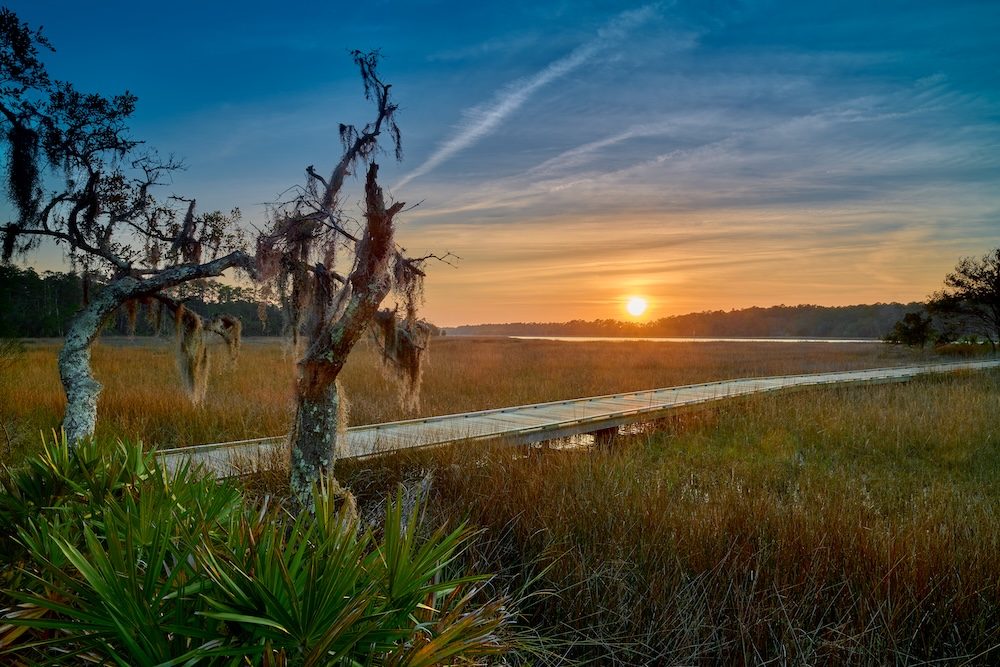
Past the ruins, an observation deck along the Battery Trail opens onto grassy salt marsh and tidal creek views framed by gnarled, moss-hung trees. It's a quieter stop for wide landscape shots away from the main avenue crowds.
Roughly midway down the drive, the canopy closes overhead most fully, creating the deepest tunnel effect for portraits or the shot people associate with a skip-the-line Wormsloe experience. Note that commercial or professional shoots need site permission, covered in the visitor rules.
A Wormsloe Historic Site Ticket buys families a mile of shaded oak avenue and a marsh-view trail that's gentle enough for toddlers but still interesting for older kids, especially if you break the walk into two shorter legs. Most families find the visitor center's museum film a natural pause point rather than trying to cover the whole property in one push.
Kids around 5 and up handle the walking best, since the gravel and dirt paths run a mile-plus round trip; toddlers do fine if carried or wagon-pulled for the marsh overlook section.
Plan on kids lasting 30-40 minutes of steady walking before needing a break, so treat the oak avenue and the marsh overlook as two separate short outings rather than one long loop.
The visitor center has restrooms and the short film theater, which works well as an air-conditioned reset between the avenue walk and the trail to the ruins.
The museum and film screening give families a covered 15-20 minute activity if a summer shower rolls through, long enough to dry off before heading back outside.
Younger children often do best seeing the live oak avenue first, then riding the shuttle partway before walking the short stretch to the marsh overlook, which keeps the outing manageable for a Wormsloe Historic Site Ticket tour without exhausting little legs.
Real experiences from real travelers
We walked the oak avenue just after opening and the light coming through the Spanish moss was worth the drive out to the Isle of Hope. Our Wormsloe Historic Site Ticket also covered the museum film, which gave useful background before we set off. Bring water in July, the humidity is real.
The avenue is about 1.5 miles and I had not understood the scale until we started walking it. Tabby ruins at the far end are small but the marsh view behind them is what I remember. Sensible shoes, the sand road is loose in places.
Visited on a weekday and saw perhaps ten other people the whole time. The Savannah landmarks I had seen downtown felt crowded by comparison, so this was a good contrast. The colonial demonstration area was closed that day, which was a small disappointment.
Went late afternoon and the cicada noise under the oaks was constant, almost like static. Our Wormsloe Historic Site Ticket tickets were scanned at the gatehouse in under a minute. The boardwalk out to the marsh smelled of pluff mud, very much the Lowcountry.
We considered driving the avenue but parked and walked it instead, which was the right call. The interpreters at the colonial site were building a fire and happy to explain the tabby construction. A proper Savannah plantation tour feel without the bus crowds.
Four hundred live oaks planted in the 1890s and every one of them dripping with moss. The Skidaway River view from behind the ruins was flat and silver in the evening. Nothing dramatic happens here, which is exactly why I liked it.
February visit meant cold wind off the marsh but almost no one around. Wormsloe Historic Site Ticket tours are self-guided in practice, so you set your own pace. Museum section is modest, maybe fifteen minutes.
Overcast day and the moss looked almost silver against the dark trunks. Saw two herons hunting in the cordgrass along the boardwalk. The Wormsloe Historic Site tour we had booked as a skip-the-line entry saved nothing on a Tuesday, but the visit itself was lovely.
August in Georgia is punishing and I sweated through my shirt on the walk out. Even so, the oyster-shell walls of the old Jones house and the marsh behind them stayed with me. A Wormsloe Historic Site Ticket is easy to add on to any Savannah trip since it is only ten miles from the squares.
The allée of oaks feels like a tunnel and the temperature drops noticeably once you are under it. Interpretive signs along the nature trail explain the salt marsh ecology well. We spent the morning and left before the heat built.
Everything you need to know for your journey
Wormsloe Historic Site is open daily from 09:00 to 16:45, with last entry shortly before closing.
A Wormsloe Historic Site Ticket costs 12 USD for adult admission, plus tax, paid at the entrance cottage.
The 09:00–11:00 window offers cooler temperatures, fewer crowds, and the best light along Oak Avenue for anyone planning skip-the-line Wormsloe Historic Site Ticket tours.
The paved Oak Avenue and visitor center area are wheelchair accessible, and a shuttle tram helps visitors avoid the full 1.5-mile walk, though the sandy trail to the tabby ruins is harder to navigate with a wheelchair.
Yes, small backpacks and daypacks are permitted throughout the grounds and museum, and there is no bag-check checkpoint.
Personal photography is allowed throughout Oak Avenue, the ruins, and trails as part of any Wormsloe Historic Site Ticket, though commercial shoots need advance staff permission.
Wear closed-toe walking shoes, breathable clothing, and a hat, since the nature trails beyond Oak Avenue are unpaved sand and dirt.
Picnicking is permitted in designated areas, but alcohol and smoking are prohibited, and there are no trash cans along the trails.
Wormsloe Historic Site is located at 7601 Skidaway Road, Savannah, GA 31406, about a 15-20 minute drive southeast of downtown via Skidaway Road, with free on-site parking.
Yes, families with children can combine the museum's short film and artifact displays with an easy walk down Oak Avenue, making Wormsloe Historic Site Ticket tours a manageable half-day outing.
Tickets are paid on arrival at the gate rather than booked in advance, so there is no separate refund process; the 12 USD fee applies once you enter.
The Isle of Hope Historic District, Bonaventure Cemetery, and Pin Point Heritage Museum are all within a 10-15 minute drive and combine easily with a Wormsloe Historic Site Ticket for a fuller day of Savannah landmarks.
A riverside neighborhood of 19th-century homes along Bluff Drive overlooking the Skidaway Narrows. Its live oak-shaded streets make a quiet walking add-on after Wormsloe.
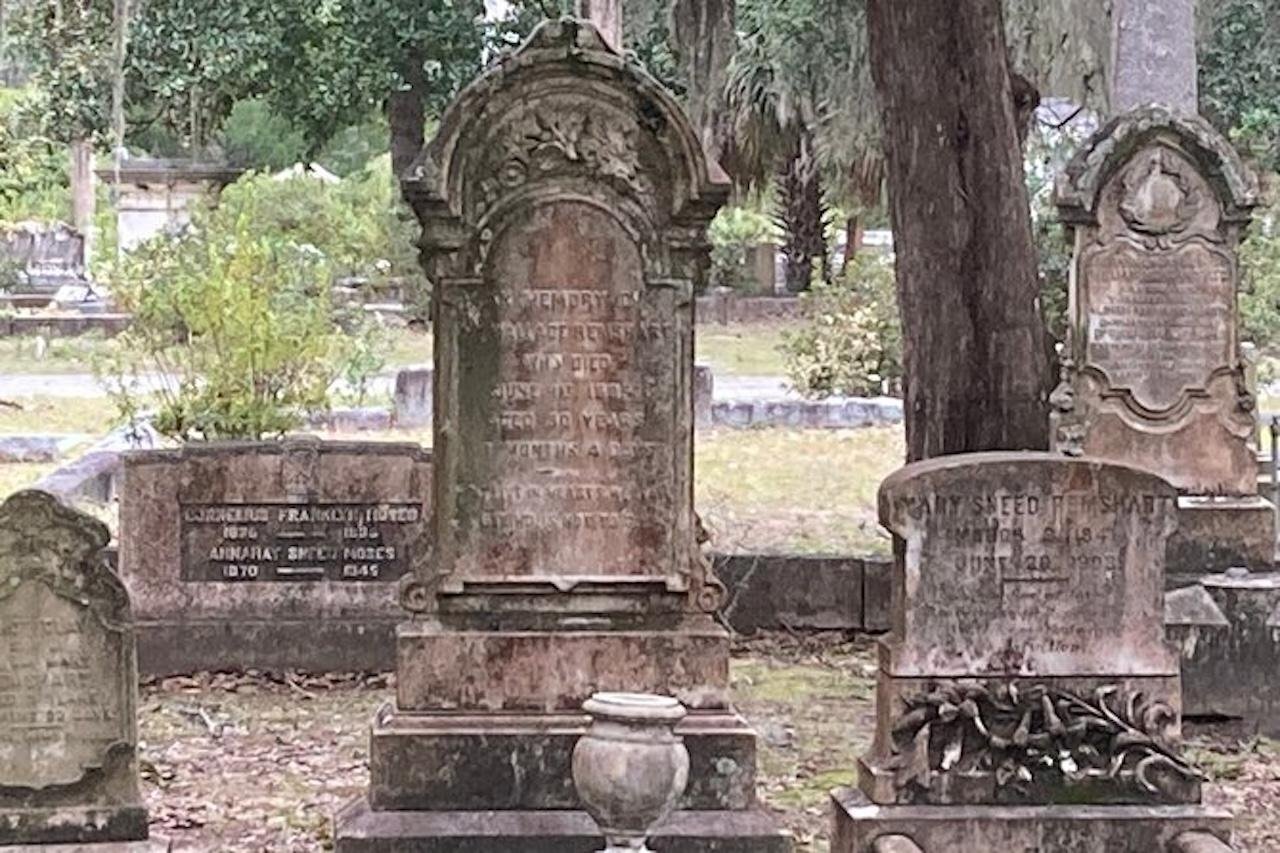
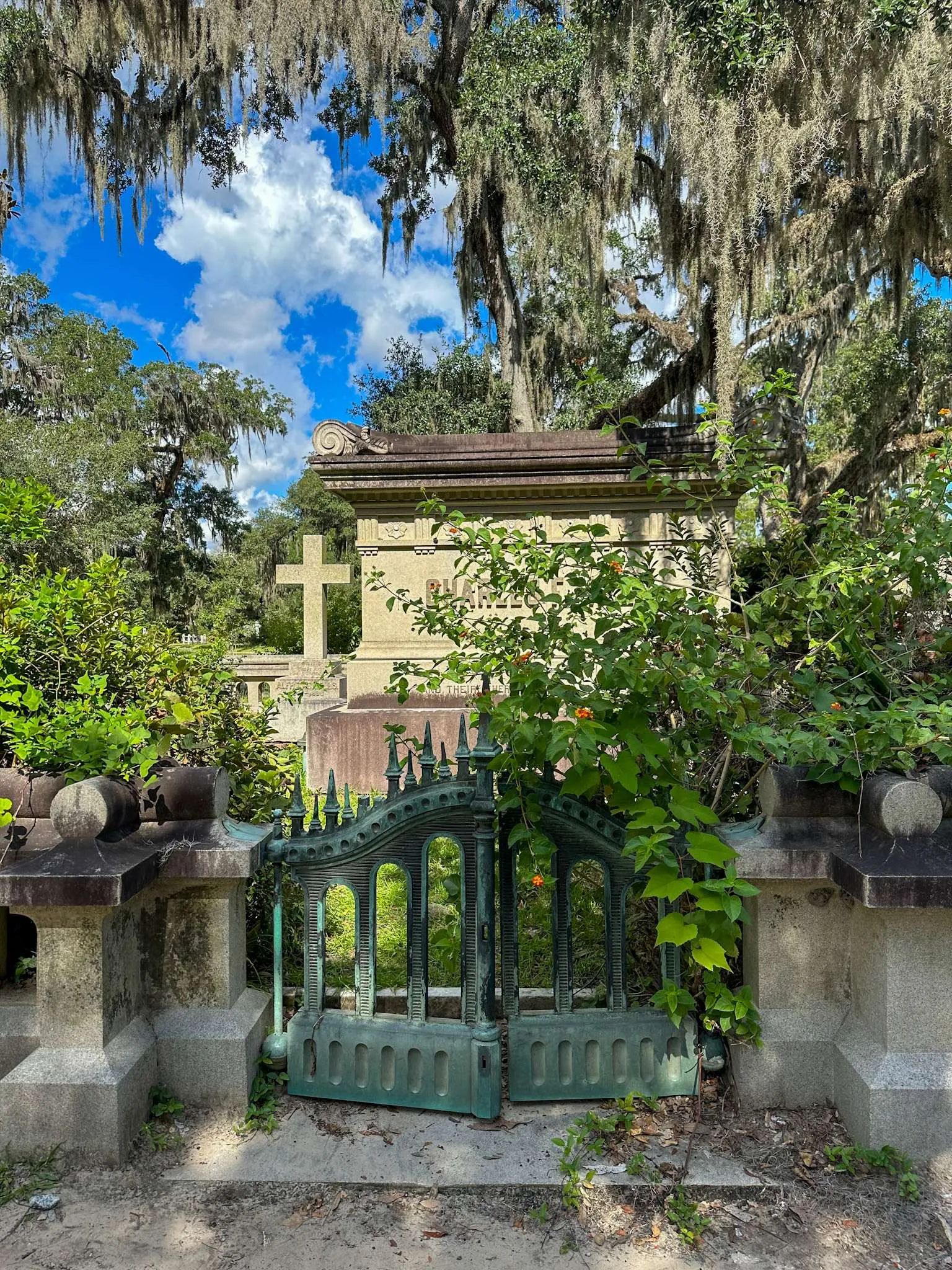
A Victorian-era cemetery on the Wilmington River known for sculpted grave monuments and sprawling live oaks. It is one of Savannah's most photographed historic burial grounds.
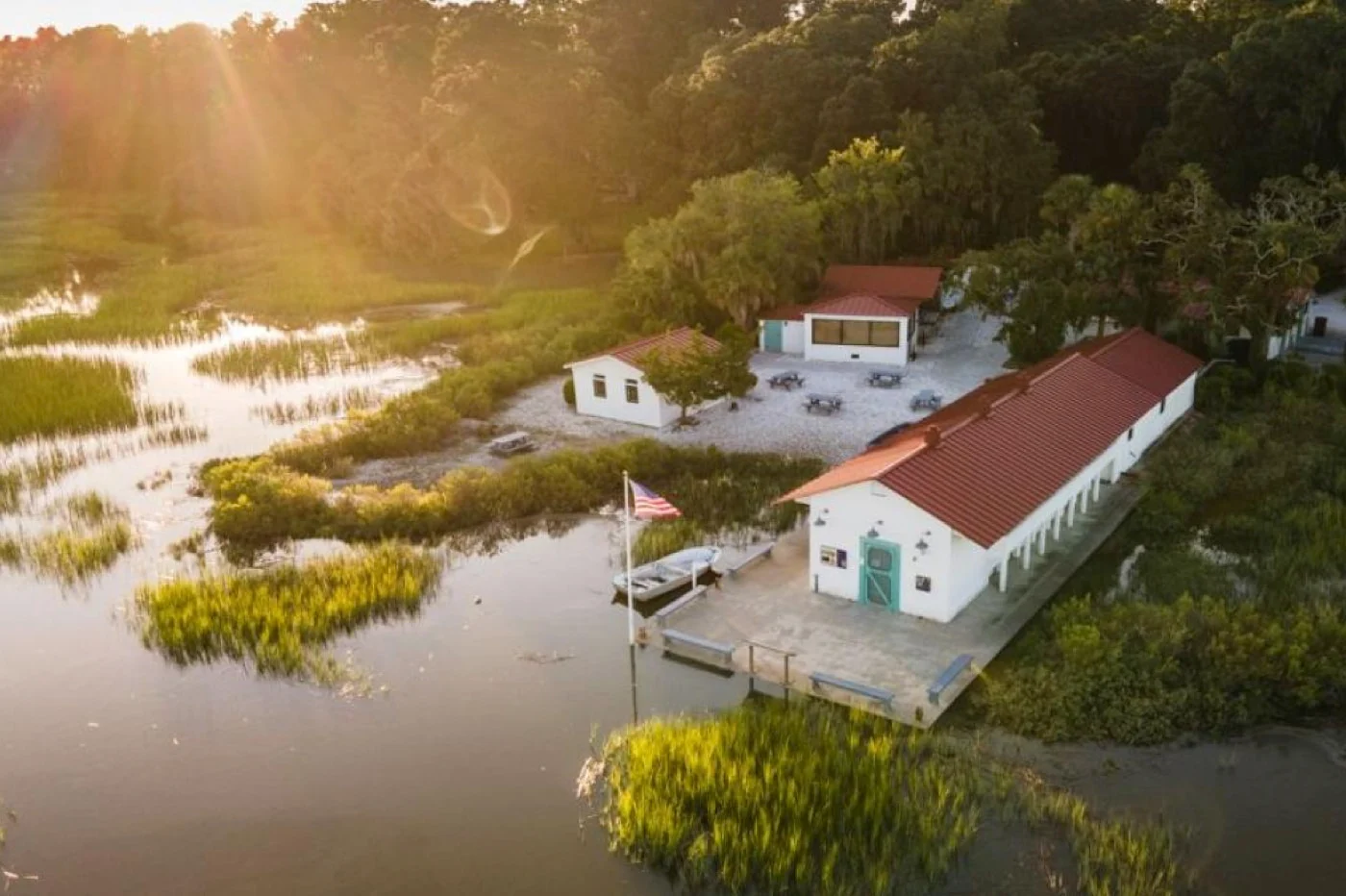
A small museum in a former oyster and crab processing plant documenting Gullah Geechee community history on the Moon River. Exhibits include original cannery equipment and oral histories.
A coastal state park with salt marsh boardwalks, maritime forest trails, and a small nature center. Its Big Ferry Trail loop covers about 3 miles of varied terrain.
A 175-acre wildlife education center with trails past native Georgia species including wolves, bison, and bald eagles. Boardwalks cross salt marsh habitat similar to Wormsloe's.
A gated residential and resort community with golf courses and marina views, offering vacation rentals close to Wormsloe.
Savannah's National Historic Landmark District concentrates boutique inns, mid-range hotels, and B&Bs within walking distance of River Street and the squares.
A retro-styled motel near the Historic District offering simple, affordable rooms popular with road-trippers.
A riverfront hotel with rooftop bar views over the Savannah River, located near City Market and River Street.
Join thousands of happy travelers who have discovered this incredible experience
Book Your Experience Now